Perfume for Sensitive Skin That Won’t Cause Allergies: The Essential Guide to Scent Without Irritation
There’s a particular kind of disappointment that comes with finding a fragrance you love, only to discover hours later that your skin has other plans. The redness creeping across your wrists, that persistent itch at your pulse points, or the uncomfortable burning sensation that turns a moment of beauty into genuine discomfort—if any of this sounds familiar, you’re navigating one of fragrance’s most frustrating contradictions. You want to smell extraordinary, to carry a signature scent that expresses something essential about who you are, but your skin seems determined to reject every option you try.
The truth is, sensitive skin and beautiful fragrance don’t have to be mutually exclusive. Understanding how to find perfume for sensitive skin that won’t cause allergies isn’t about settling for medicinal-smelling “safe” options or resigning yourself to a scentless existence. It’s about becoming fluent in a different language of fragrance—one that prioritizes formulation transparency, recognizes the difference between alcohol-free and traditional perfumes, and respects the sophisticated needs of reactive skin. With the right knowledge and carefully vetted options, you can build a fragrance wardrobe that delivers genuine olfactory pleasure without any of the irritation, proving that limitations can actually become opportunities for more intentional, refined choices.
Why Your Skin Rebels: Understanding Fragrance Sensitivity and Allergies
The relationship between perfume and sensitive skin isn’t about weakness—it’s about chemistry. Your skin is an extraordinarily complex organ, and when it reacts to fragrance, it’s actually performing its protective function, albeit a bit overzealously. The culprits behind most fragrance-related irritation fall into three categories: high alcohol content, synthetic compounds, and certain natural allergens that even the most premium fragrances contain.
Traditional perfumes typically contain 70-90% alcohol, which serves as a carrier for fragrance oils but also strips away your skin’s natural protective barrier. For those with sensitive skin or conditions like eczema, this alcohol content essentially creates microscopic fissures that allow irritants to penetrate deeper, triggering inflammatory responses that manifest as redness, itching, or even contact dermatitis.
What Perfume Is Good for Sensitive Skin?
When asking “what perfume is good for sensitive skin,” the answer revolves around formulations that minimize known irritants while maintaining olfactory sophistication. The best perfume for sensitive skin shares several key characteristics: reduced or eliminated alcohol content, transparent ingredient lists, absence of common allergens, and dermatologically tested formulations.
The ideal perfume for sensitive skin typically falls into one of these categories: alcohol-free fragrances, low-concentration eau de toilettes, pure parfum oils, or specifically formulated hypoallergenic perfumes. Each offers distinct advantages depending on your particular sensitivity triggers and fragrance preferences.
What Is the Most Common Fragrance Allergy?
Before diving into solutions, understanding the enemy proves essential. The most common fragrance allergy stems from a compound called cinnamal, found naturally in cinnamon and cassia. Following closely behind are other usual suspects: oakmoss absolute (beloved in classic chypre fragrances), eugenol (present in cloves and roses), and isoeugenol (found in ylang-ylang).
The European Union mandates disclosure of 26 specific fragrance allergens when present above certain concentrations. These include everything from citral (lemongrass) to geraniol (rose and geranium) to coumarin (tonka bean and lavender). If you’re experiencing reactions, cross-referencing your current fragrances against this list often reveals patterns in what triggers your sensitivity.
| Common Fragrance Allergen | Natural Sources | Found In | Reaction Type |
|---|---|---|---|
| Cinnamal | Cinnamon, cassia | Spicy orientals, gourmands | Contact dermatitis |
| Oakmoss Absolute | Tree lichen | Chypres, woody fragrances | Delayed hypersensitivity |
| Eugenol | Clove, rose, carnation | Florals, spice notes | Immediate irritation |
| Linalool | Lavender, bergamot | Nearly all fragrances | Mild to moderate reaction |
| Limonene | Citrus peels | Fresh, citrus fragrances | Photosensitivity when oxidized |
The Best Hypoallergenic Perfumes That Actually Smell Amazing
Not all hypoallergenic perfumes are created equal, and the market has evolved far beyond the medicinal-smelling “safe” fragrances of decades past. Today’s best hypoallergenic perfumes deliver genuine olfactory pleasure while respecting your skin’s boundaries.
1. Phlur Missing Person Eau de Parfum
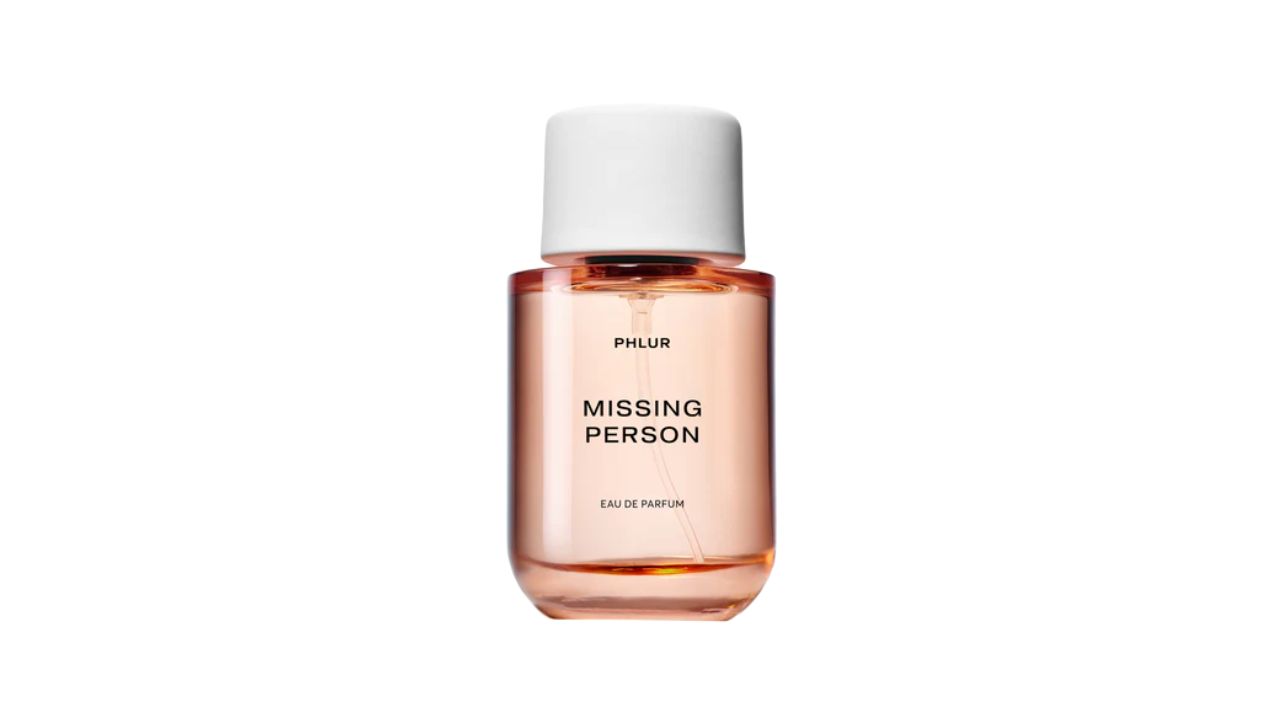
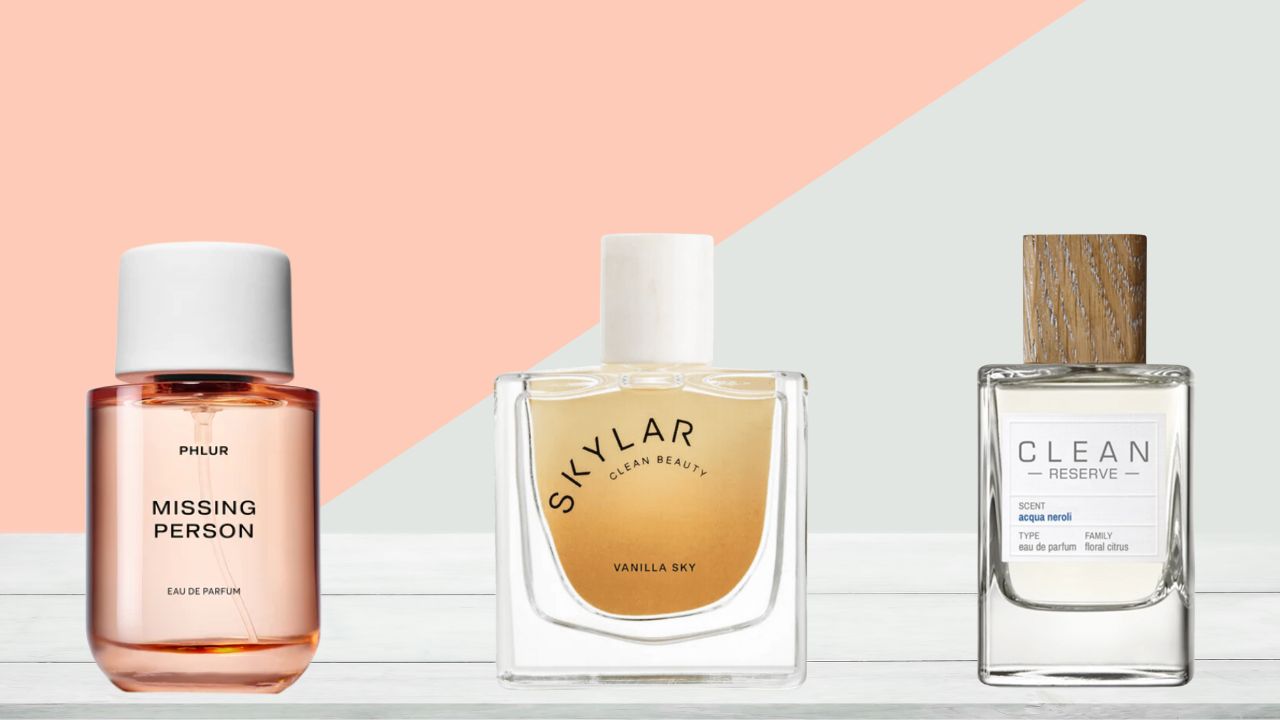
This alcohol-free perfume has revolutionized the sensitive skin fragrance market with its skin-safe formulation that doesn’t compromise on complexity. Built around gentle white musk, bergamot, and jasmine sambac, it’s one of the best perfumes for sensitive skin that delivers all-day longevity without irritation. The brand’s commitment to transparency means every ingredient is disclosed—a rarity in the fragrance world.
2. Clean Reserve Acqua Neroli
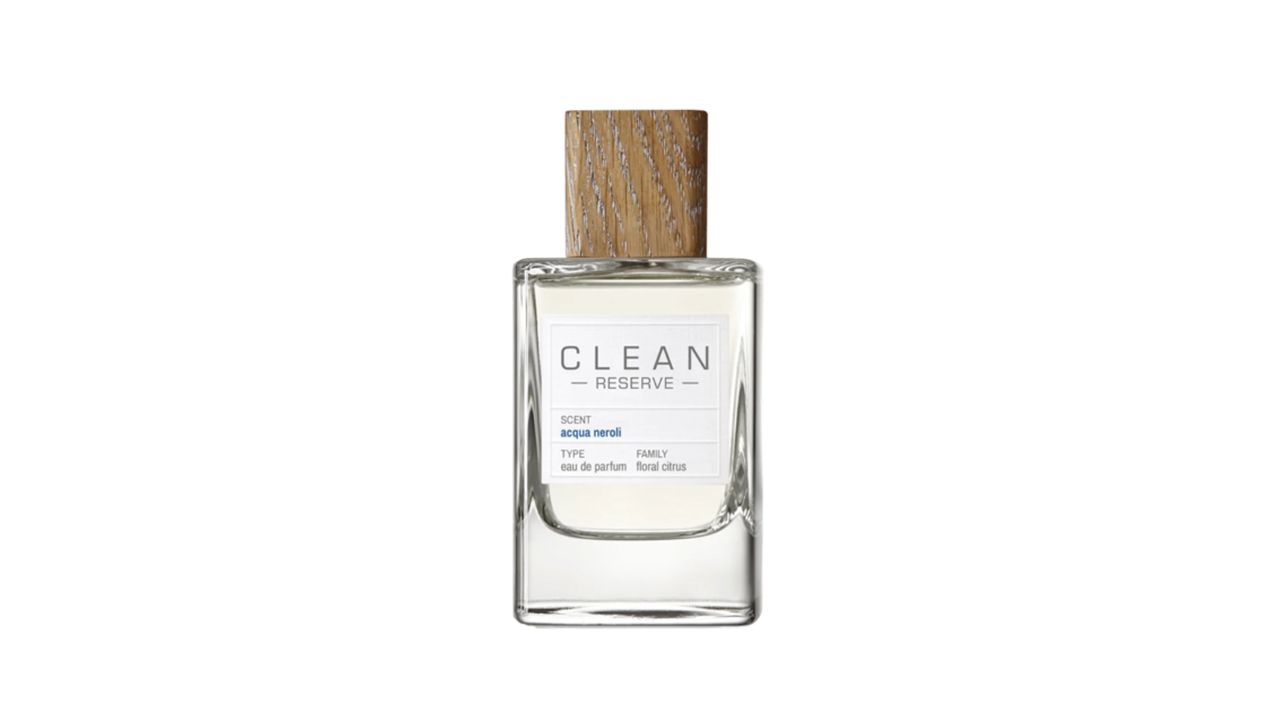
From a brand literally named for its ethos, this fragrance exemplifies what hypoallergenic perfumes can achieve. The bright neroli and citrus composition is formulated without sulfates, parabens, or phthalates, and the lower alcohol content (around 60% versus the typical 80-90%) makes it gentler on reactive skin. It’s particularly excellent as a women’s perfume for sensitive noses that appreciate freshness.
3. Skylar Vanilla Sky Eau de Parfum

Skylar has built its entire brand around hypoallergenic fragrances, and Vanilla Sky represents their mastery of the category. This warm, comforting scent features creamy vanilla, capri blue, and amber notes in a vegan, cruelty-free formula that’s safe for even the most sensitive skin perfume wearers. The brand tests for all 26 EU allergens and adjusts formulations accordingly.
4. Commodity Milk Personal
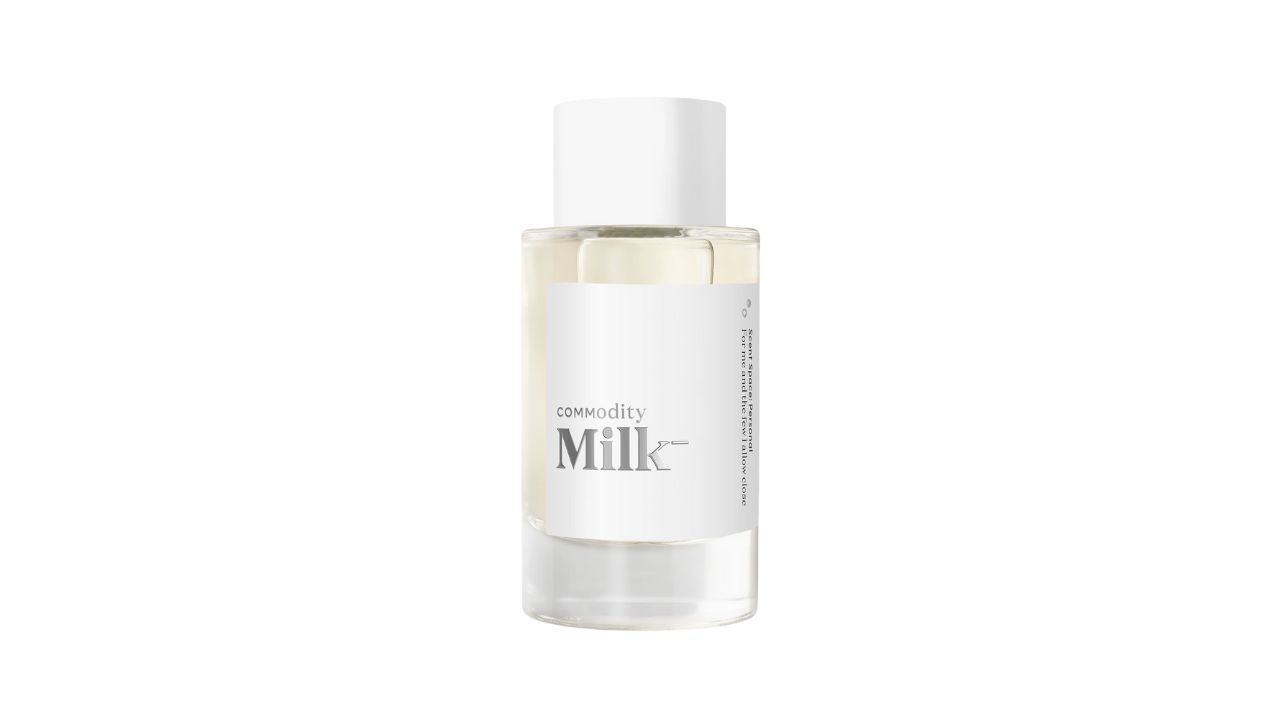
This minimalist fragrance proves that alcohol-free perfume can be both sophisticated and skin-safe. Commodity’s entire Personal line features lower alcohol concentrations and carefully selected ingredients that avoid common irritants. The Milk scent offers marshmallow, tonka, and white musk in a formula gentle enough for daily wear by those with fragrance sensitivity.
5. Abel Odor Eau de Parfum
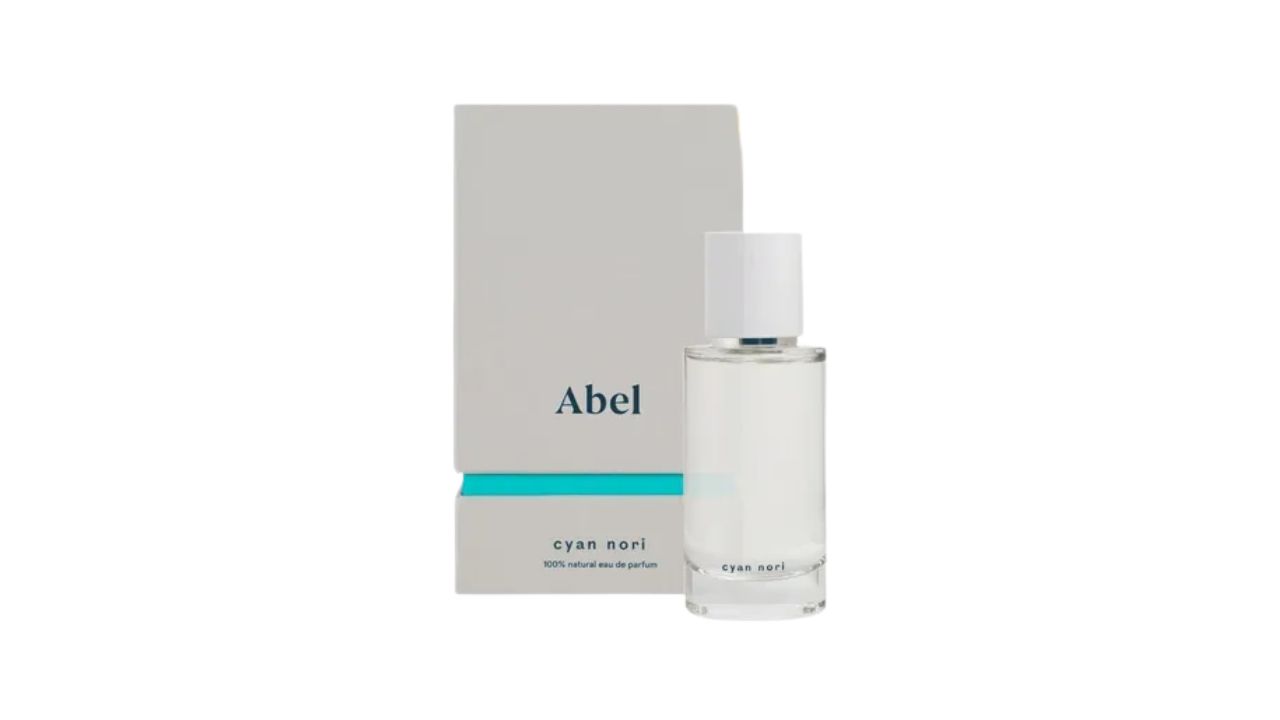
As a completely natural, alcohol-free fragrance made with organic ingredients, Abel represents the intersection of clean beauty and serious perfumery. This fragrant composition of Tasmanian pepperberry, cedar, and iris is particularly noteworthy as one of the best perfumes for sensitive noses—the natural base oils deliver scent without the harsh alcoholic top note that triggers many sensitivities.
6. Maison Louis Marie No.04 Bois de Balincourt
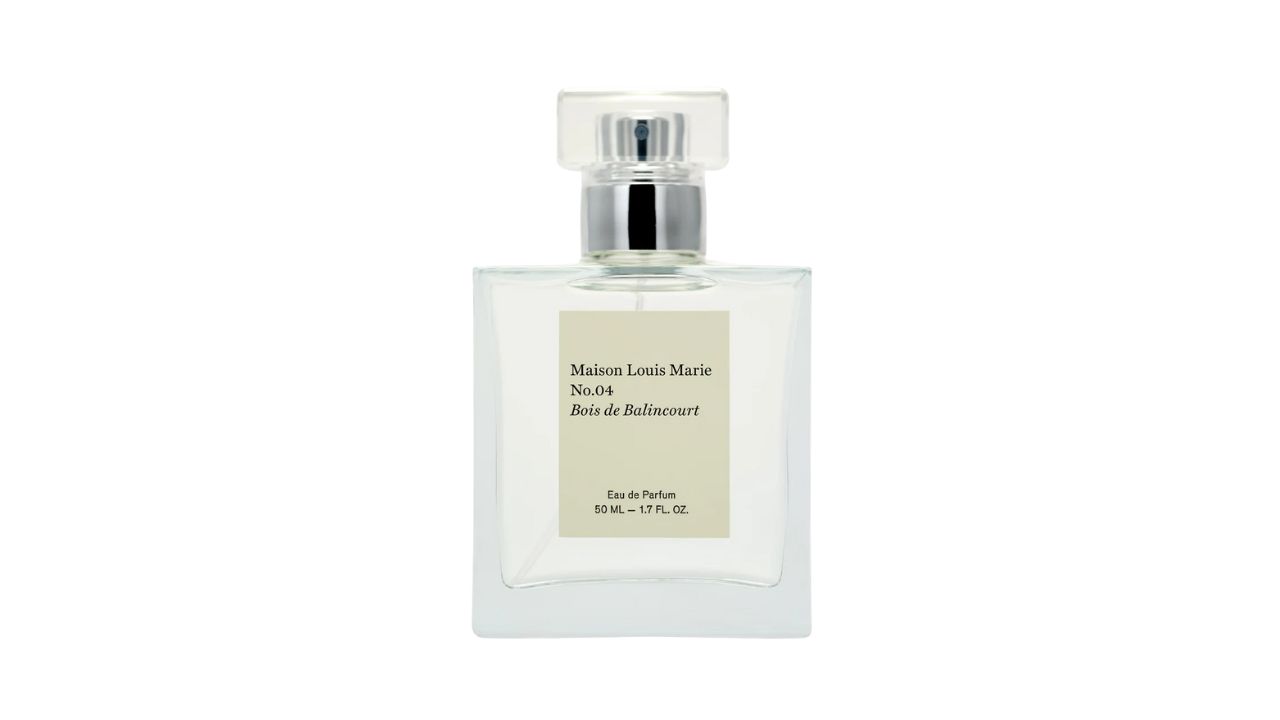
While not entirely alcohol-free, this perfume features a significantly reduced alcohol concentration and carefully vetted ingredients that make it suitable for most with sensitive skin fragrance needs. The sandalwood, amber, and vetiver composition has become cult-favorite precisely because it delivers luxury without the typical irritation associated with woody fragrances.
7. By Rosie Jane Missy Eau de Parfum

This light perfume for sensitive noses combines gentle rose, jasmine, and neroli in a formula free from parabens, phthalates, and sulfates. The brand’s commitment to creating perfume for allergy sufferers shows in their streamlined ingredient lists and focus on skin-safe synthetics alongside natural components.
8. Hermetica Source1 Eau de Parfum
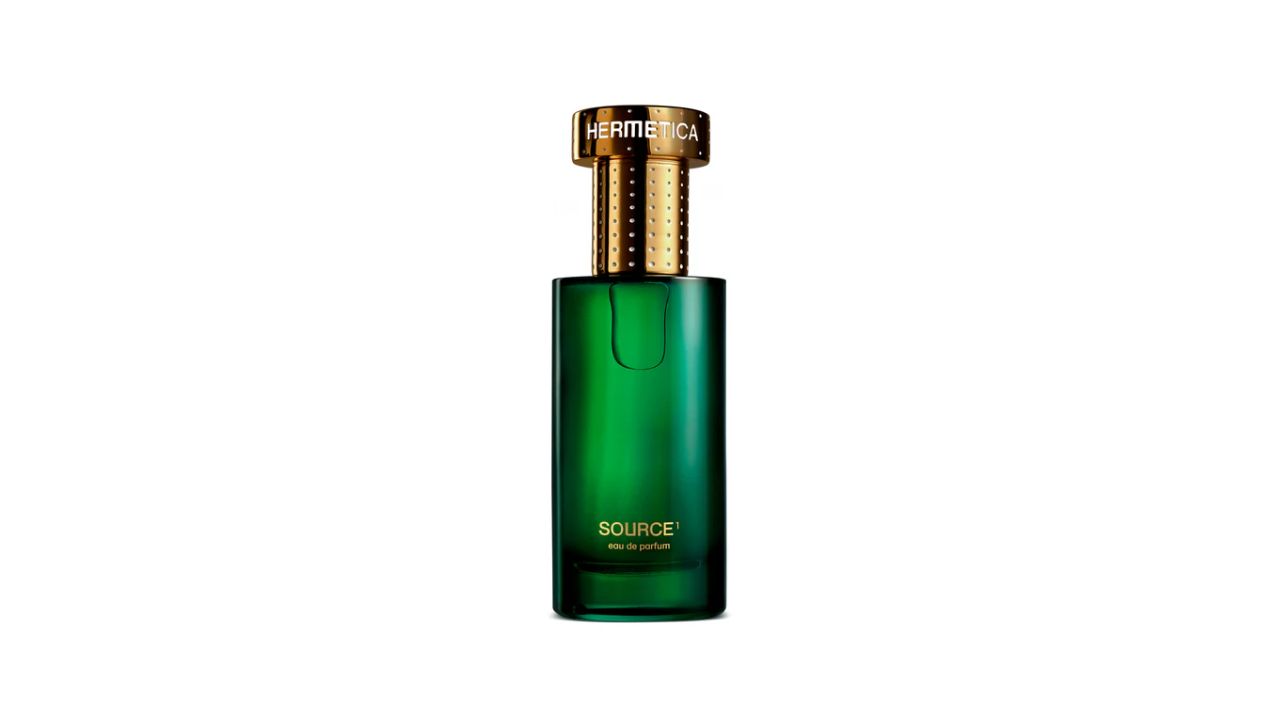
Hermetica’s innovative alcohol-free formula uses a moisturizing base that’s actually beneficial for skin rather than drying. This represents the cutting edge of non-alcoholic perfume technology—sophisticated fragrances that not only avoid irritation but actively condition skin. Source1’s clean, woody composition works beautifully as a sensitive skin perfume for both men and women.
Best Alcohol-Free Perfumes for Maximum Sensitivity
For those asking specifically about alcohol-free fragrance options, these formulations eliminate the single most common irritant in traditional perfumes. The best alcohol-free perfumes use alternative carriers like oils, glycerin, or innovative synthetics to deliver fragrance without the drying, stripping effects of ethanol.
Moodeaux Worthy Perfume Oil
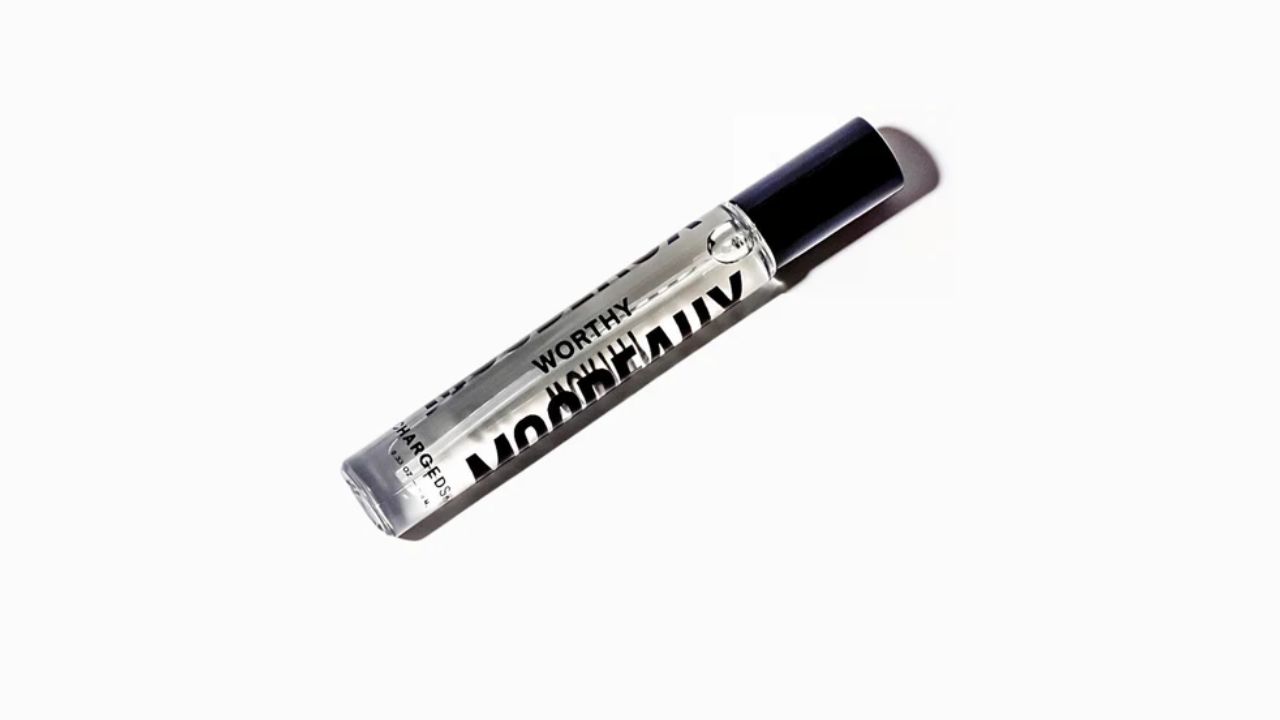
A completely non-alcoholic perfume that uses fractionated coconut oil as its base, delivering sandalwood, patchouli, and vanilla in a format that’s essentially impossible to trigger skin reactions. Perfect for those wondering “is there a 100% natural perfume” that’s also safe.
Oakcha Fragrance Oils
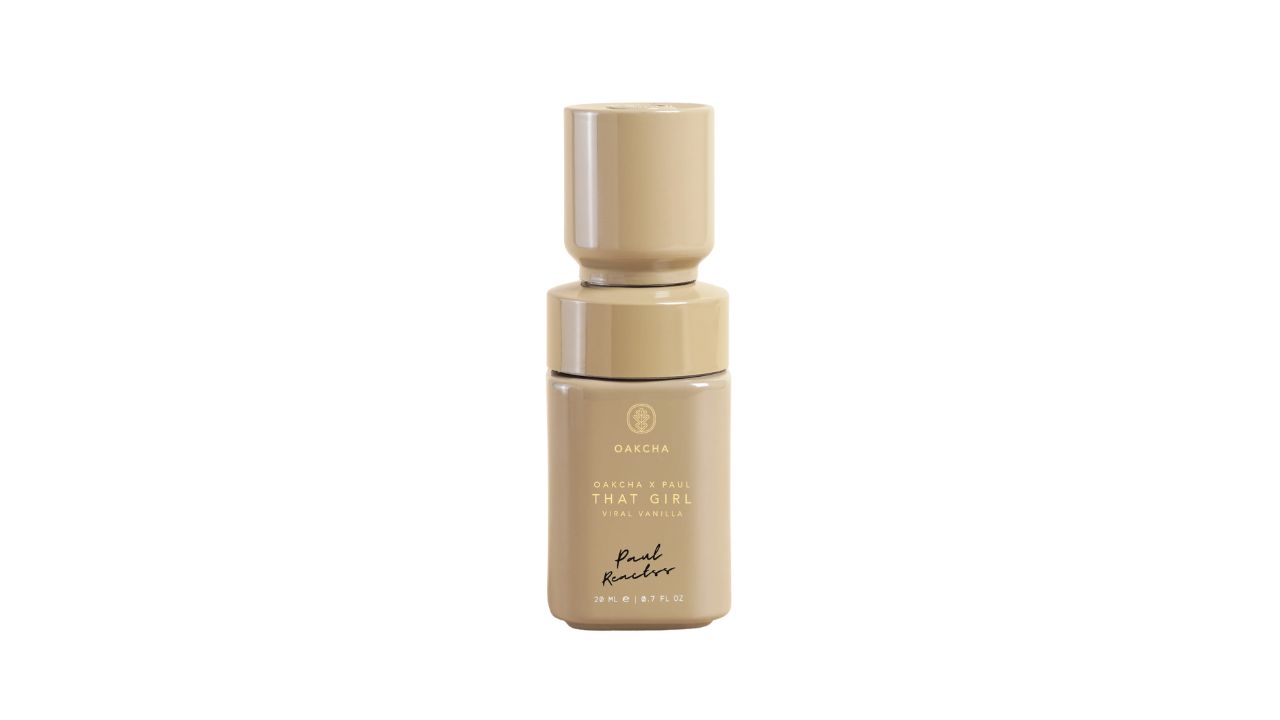
This brand specializes in alcohol-free fragrance options that mirror popular designer scents in skin-safe oil formulations. Their extensive collection means you can likely find an oil-based version of a fragrance you already love, in a perfume alcohol-free format.
Floral Street Wonderland Peony
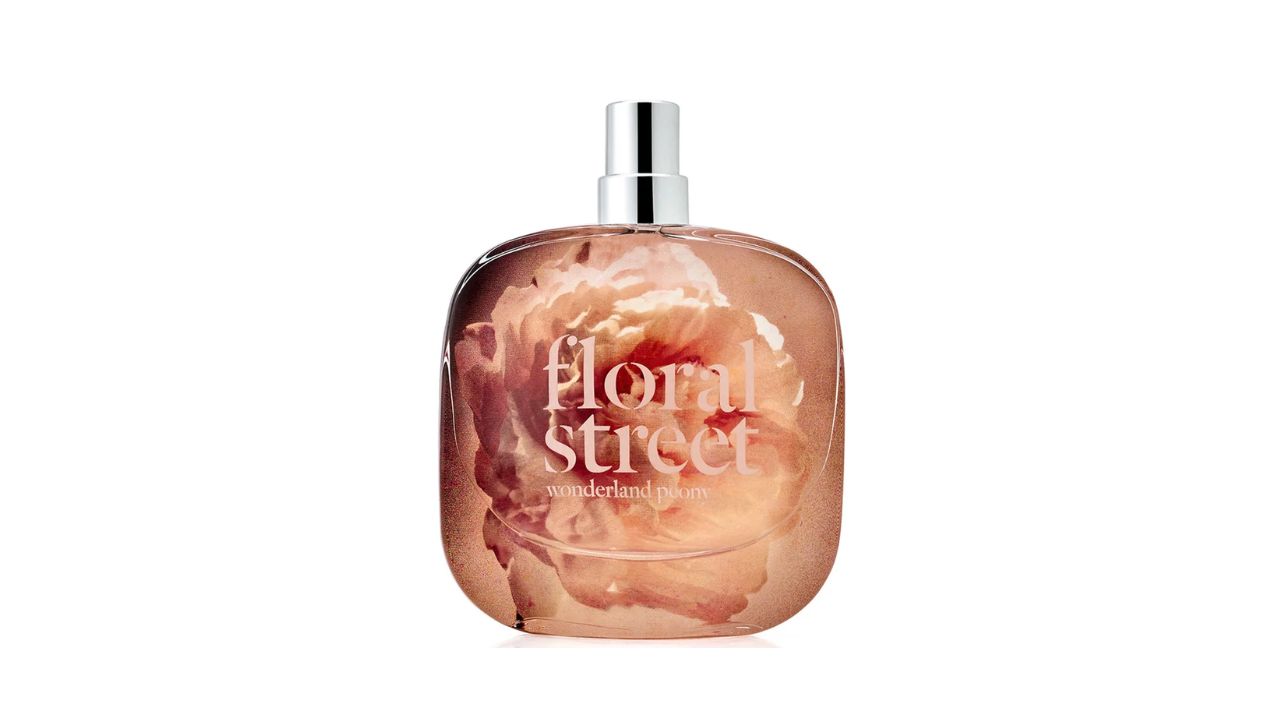
While technically containing some alcohol, the concentration is so low (under 10%) that it functions more like an alcohol-free perfume for most users. The hydrating base and absence of harsh synthetics make it exceptional for sensitive skin fragrance needs.
What Brand Is Best for Sensitive Skin Fragrance?
When evaluating “what brand is best for sensitive skin,” several houses distinguish themselves through consistent commitment to hypoallergenic formulation, ingredient transparency, and dermatological testing.
Skylar tops many lists for best hypoallergenic perfume brands because they’ve made sensitivity their entire focus. Every fragrance undergoes testing for all 26 EU-recognized allergens, and they reformulate if any problematic compounds appear above threshold levels. Their range spans from fresh to warm, ensuring those seeking perfume for sensitive skin don’t sacrifice variety for safety.
Clean Reserve and Clean Classic have built reputations as go-to hypoallergenic perfume brands through their “consciously crafted” approach. These fragrances avoid sulfates, parabens, and phthalates while maintaining sophisticated compositions that rival traditional luxury perfumes.
Hermetica represents the luxury end of the sensitive skin perfume market, proving that alcohol-free doesn’t mean compromise. Their molecular distillation process and innovative carrier systems make them the best choice for those who want both cutting-edge perfumery and skin safety.
How to Smell Good If You Have Sensitive Skin: Application Strategies
The art of wearing perfume for sensitive skin extends beyond bottle selection—how you apply fragrance matters as much as what you apply. If you’re wondering “how to smell good if you have sensitive skin,” these strategic approaches maximize scent while minimizing skin contact and irritation risk.
How to Wear Perfume With Sensitive Skin
- The Clothing Method: Instead of spraying directly onto skin, apply perfume to clothing—specifically to the interior lining of collars, cuffs, or the back of garments. Fabric holds scent beautifully while providing a complete barrier between fragrance compounds and your reactive skin. This technique answers the question “how to wear perfume with sensitive skin” most effectively for severe cases.
- The Hair Technique: Your hair acts as a natural diffuser for fragrance without the sensitivity issues of skin application. Spray perfume onto your hairbrush (never directly onto hair, as alcohol can be drying) and then brush through. The scent will release gradually throughout the day as you move.
- The Moisturizer Barrier: Apply an unscented, hypoallergenic moisturizer to pulse points first, creating a protective layer between skin and fragrance. This reduces direct contact with potentially irritating compounds while the oils in the moisturizer help fragrance adhere and develop more slowly.
- The Fragrance Cloud: Spray perfume into the air in front of you and walk through the mist, allowing a fine, diffused layer to settle on your clothes and hair rather than concentrating on skin. This delivers subtle, all-over fragrance with minimal irritation risk.
- The Strategic Points: If you must apply directly to skin, choose cooler areas where blood flow is lower and evaporation is slower—backs of knees, inside of elbows, small of back—rather than hot pulse points like neck and wrists where concentration and heat amplify potential irritants.
What Do Dermatologists Recommend for Sensitive Skin?
Dermatologists consistently emphasize several key principles when asked “what do dermatologists recommend for sensitive skin” in the fragrance context. Their guidance centers on minimizing exposure to known irritants while maintaining realistic expectations about what “hypoallergenic” actually means.
- Patch test everything: Apply any new fragrance to the inside of your elbow and cover with a bandage for 48 hours. No reaction there significantly reduces likelihood of problems elsewhere.
- Prioritize ingredient transparency: Fragrances that disclose full ingredient lists allow you to avoid your specific triggers, whereas “parfum” or “fragrance” on labels masks potentially problematic compounds.
- Start with lower concentrations: Eau de toilette or eau de cologne formulations contain less fragrance oil and more dilution than parfums, reducing irritation potential while you determine tolerance.
- Consider timing: Apply fragrance before getting dressed rather than after, allowing alcohol to fully evaporate before fabric traps it against skin. This simple timing adjustment prevents prolonged exposure.
- Watch for photosensitivity: Some fragrance ingredients (particularly citrus oils containing bergapten) cause reactions only when exposed to sunlight. If irritation appears after sun exposure, photosensitive compounds may be your trigger.
The 30-50-20 Rule for Perfume: Why It Matters for Sensitive Skin
Understanding “what is the 30-50-20 rule for perfume” provides crucial insight into how fragrance performs on sensitive skin. This perfumer’s guideline suggests that 30% of a perfume’s performance depends on the formulation itself, 50% depends on your individual skin chemistry, and 20% depends on application technique.
For those with sensitive skin, this rule becomes even more significant. Your skin chemistry—pH levels, natural oils, temperature, and even diet—accounts for half of how a fragrance will perform and whether it will irritate. This explains why a perfume your friend with sensitive skin loves might still trigger your reactions: that 50% variable is entirely individual.
The practical application? Never assume a fragrance will work for you just because it’s labeled hypoallergenic or worked for someone else with sensitive skin. That 50% skin chemistry factor means extensive personal testing remains non-negotiable, regardless of how many “best hypoallergenic perfumes” lists include a particular scent.
Can People With Eczema Wear Perfume?
The question “can people with eczema wear perfume” receives a qualified yes from dermatologists, with important caveats. Eczema-prone skin requires even more caution than general sensitivity, but fragrance isn’t necessarily off-limits entirely.
The key lies in never applying perfume directly to areas affected by eczema or during active flare-ups. The compromised skin barrier that characterizes eczema allows irritants to penetrate more deeply, increasing both reaction severity and the risk of developing new sensitizations. However, applying perfume for sensitive skin to clothing, hair, or unaffected skin areas allows those with eczema to enjoy fragrance safely.
Oil-based fragrances often work better for eczema sufferers than alcohol-based options, as the oil base doesn’t strip natural protective barriers the way alcohol does. Some dermatologists even suggest certain gentle perfume oils might provide modest moisturizing benefits alongside scent—though this should never replace proper eczema treatment, of course.
What Scents Are Safe for Sensitive Skin?
When exploring “what scents are safe for sensitive skin,” certain fragrance families and specific notes emerge as generally better tolerated than others. While individual reactions vary, these patterns help guide safer choices when building your sensitive skin fragrance wardrobe.
Generally Safer Fragrance Families
- Clean Aquatics and Ozonics: Modern synthetic aquatic notes designed to evoke ocean air, rain, or fresh water typically use newer molecules engineered for stability and lower allergenicity. These make excellent light perfumes for sensitive noses.
- Simple Citrus Compositions: Bergamot (when bergapten-free), lemon, and grapefruit offer brightness with relatively low irritation potential, particularly in fragrances for sensitive skin where they’re used sparingly rather than in high concentrations.
- Soft, Modern Musks: Contemporary synthetic musks designed to replace problematic vintage compounds (like nitro musks and polycyclic musks) provide that sought-after soft, skin-like quality without the sensitization risk of older formulations.
- Gentle Woods: Cedarwood and certain sandalwood derivatives tend to be well-tolerated and provide warmth without the potential irritation of heavier woods like oak or oud.
Scents to Approach Cautiously
- Heavy Florals: Jasmine, tuberose, and gardenia in high concentrations contain indoles and other compounds that can trigger sensitivity. When these appear in hypoallergenic perfumes, they’re typically present in much lower concentrations or as carefully selected synthetics.
- Spice Notes: Cinnamon, clove, black pepper, and similar warm spices contain some of the most common allergens in fragrance. Even in tiny amounts, these can trigger reactions in susceptible individuals.
- Oakmoss and Tree Moss: Despite being natural, these classic chypre ingredients remain among the most problematic for sensitive skin. Modern formulations use oakmoss derivatives with allergens removed, but many still find even these alternatives irritating.
- Certain Essential Oils: Lavender, ylang-ylang, and even rose essential oils contain compounds that appear on allergen disclosure lists. This doesn’t make them universally problematic, but they require caution for those seeking perfume for allergy sufferers.
What Can I Use If I’m Allergic to Perfume?
For those wondering “what can I use if I’m allergic to perfume,” the answer involves creative alternatives that deliver pleasant scent without triggering reactions. True perfume allergy doesn’t mean resigning yourself to scentlessness—it means exploring different delivery systems and formulations. Here are some alternatives to traditional perfume:
- Lightly Scented Body Products: Hypoallergenic lotions and body washes with minimal, gentle fragrance provide subtle scent while serving practical purposes. Brands like Vanicream and CeraVe offer options for the extremely sensitive.
- Essential Oil Diffusers: While you shouldn’t apply essential oils directly to reactive skin, diffusing them in your environment provides ambient scent without skin contact. This works particularly well at home or in personal office spaces.
- Scented Hair Products: Since hair lacks the sensitivity of skin, using fragranced hair mists, dry shampoos, or styling products can deliver noticeable scent without irritation risk.
- Fabric Sprays: Lightly scenting your clothing with specialized fabric fragrances or even diluted alcohol-free perfumes provides the olfactory experience without any skin exposure.
- Single-Note Parfum Oils: Pure, single-ingredient perfume oils (like pure sandalwood or pure vanilla absolute) often prove safe when complex blends trigger reactions. This approach also identifies exactly what you’re applying, making it easier to pinpoint any triggers.
How to Avoid Skin Irritation From Perfume: Prevention Strategies
Understanding “how to avoid skin irritation from perfume” requires a multi-pronged approach that addresses formulation, application, and lifestyle factors. Prevention proves far more effective than treatment when it comes to fragrance sensitivity.
Build Your Allergen Profile: Keep a detailed log of fragrances you’ve tried and your reactions, noting specific ingredients when possible. Over time, patterns emerge that reveal your personal triggers—perhaps you react to anything with cinnamon, or all fragrances containing certain musks.
Time Your Testing: Never test new fragrances during periods when your skin is otherwise stressed—after sun exposure, during seasonal dryness, or when dealing with other skin issues. Your tolerance is lower when your skin barrier is already compromised.
Limit Layering: Using scented body wash, lotion, deodorant, and perfume simultaneously multiplies exposure to potential irritants. If wearing fragrance, choose unscented versions of other personal care products to minimize compound irritation.
Consider Your Environment: Humidity, temperature, and even air quality affect how fragrance interacts with your skin. What works perfectly in winter might irritate in summer heat, and urban pollution can oxidize fragrance components into more irritating compounds.
Respect the Development Process: Fragrance evolves over hours through top, heart, and base notes. A perfume that seems fine initially might irritate as base notes develop. Always test fragrances for at least 6-8 hours before considering them safe.
Is Dior Perfume Hypoallergenic?
The question “is Dior perfume hypoallergenic” reflects broader curiosity about whether luxury designer fragrances can be suitable for sensitive skin. The straightforward answer: traditional Dior perfumes are not formulated as hypoallergenic perfumes, though some individuals with mild sensitivity tolerate certain Dior fragrances better than others.
Dior, like most luxury fashion houses, prioritizes olfactory artistry over hypoallergenic formulation. Their perfumes contain the full range of fragrance ingredients including known allergens like oakmoss (in Diorissimo), eugenol (in many florals), and high alcohol concentrations. However, Dior does comply with EU regulations requiring disclosure of the 26 recognized allergens when present above threshold levels.
For those specifically seeking designer prestige in a sensitive skin perfume, better options exist than traditional Dior offerings. However, if you’ve found a particular Dior fragrance works for you, that’s equally valid—remember that 50% of fragrance performance depends on your individual skin chemistry.
How to Smell Good Without Triggering Allergies: The Complete System
Creating a comprehensive answer to “how to smell good without triggering allergies” means building an entire system—not just choosing one safe perfume, but developing a holistic approach to personal fragrance that respects your sensitivity while delivering the sensory pleasure you seek.
- Morning Routine: Begin with unscented, hypoallergenic moisturizer on all areas where you might apply fragrance. This creates a protective barrier. Choose either an alcohol-free perfume oil applied to hair and clothing, or spray a hypoallergenic perfume into the air and walk through the mist.
- Midday Refresh: Rather than reapplying perfume (which increases exposure and irritation risk), carry a lightly scented hand cream or hair mist for subtle refreshing. These provide gentle scent boost without the concentration of actual perfume.
- Evening Transition: If changing scent for evening, shower first to remove daytime fragrance rather than layering—compound exposure increases reaction likelihood. Apply evening fragrance using the same cautious techniques as morning.
What Is the Safest Perfume?
While asking “what is the safest perfume” implies a single answer, safety in fragrance is contextual—what’s safest for one person might still trigger another’s specific sensitivities. However, certain perfumes consistently demonstrate safety across the broadest population of sensitive skin users.
Based on formulation transparency, allergen testing, user feedback, and dermatological assessment, these fragrances represent the safest choices for those seeking perfume for sensitive skin that won’t cause allergies:
- Skylar Vanilla Sky – Tested against all 26 EU allergens, vegan, hypoallergenic formulation
- Moodeaux Worthy – Alcohol-free oil base, minimal ingredients, natural composition
- Hermetica Source1 – Innovative alcohol-free technology, moisturizing base, no common allergens
- Clean Reserve Skin – Specifically formulated for sensitivity, lower alcohol, transparent ingredients
- Abel Odor – 100% natural, organic, alcohol-free, certified clean formulation
These perfumes share key characteristics: transparent ingredient disclosure, third-party testing, reduced or eliminated alcohol, and proven track records with sensitive skin users. While they can’t guarantee universal safety—individual variation always applies—they represent the most statistically safe options available.
Your Journey to Scent Without Sacrifice Begins Here
Navigating the world of perfume for sensitive skin that won’t cause allergies transforms from frustration to empowerment when you understand both the science behind your reactions and the sophisticated solutions now available. The fragrance experience you desire isn’t out of reach—it simply requires different knowledge, carefully vetted products, and intentional application approaches that respect your skin’s boundaries while honoring your aesthetic sensibilities.
Your sensitive skin deserves more than settling for scentless existence or enduring irritation for fleeting olfactory pleasure. With insights into hypoallergenic perfumes, alcohol-free fragrance innovations, strategic application techniques, and the specific formulations proven to work for reactive skin, you’re equipped to curate a fragrance wardrobe that delivers daily joy without compromise.
The most elegant solution isn’t always the obvious one. Sometimes it’s found in the quiet confidence of knowing exactly what works for your unique chemistry, wearing it with intention, and moving through the world with that particular grace that comes from being completely comfortable in both your skin and your scent.
Discover Your Perfect Hypoallergenic Fragrance at Beautinow—sophisticated fragrances specifically formulated to deliver beauty without irritation. At Beautinow, we’ve curated an exceptional collection of the best hypoallergenic perfumes, alcohol-free fragrances, and dermatologically tested options that prove you never have to choose between olfactory pleasure and skin comfort.
Why choose Beautinow for your sensitive skin fragrance journey:
- Complete Ingredient Transparency: We provide detailed ingredient breakdowns, allergen disclosures, and dermatological testing information for every fragrance in our sensitive skin collection, empowering you to make truly informed decisions based on your specific triggers. Our product pages clearly identify alcohol content, natural versus synthetic composition, and presence of any common allergens—transparency that’s rare in the fragrance industry but essential for those with reactive skin.
- Expert Guidance for Sensitive Skin: Our fragrance consultants specialize in matching individuals with skin sensitivities to their ideal scents, offering personalized recommendations based on your specific triggers, preferred fragrance families, and lifestyle needs. Whether you’re seeking alcohol-free perfume, hypoallergenic perfume for women, or the best perfume for sensitive noses, our team provides tailored guidance via email, chat, or phone to navigate your options confidently.
- Guaranteed Authenticity and Quality: Every fragrance in our hypoallergenic collection is sourced directly from authorized distributors and arrives in pristine condition, ensuring you receive formulations exactly as perfumers intended—without degradation, contamination, or storage issues that could increase irritation risk. We understand that for sensitive skin, freshness and proper storage directly impact safety, and we maintain rigorous quality control throughout our supply chain.
Transform your fragrance experience from source of frustration to daily pleasure with perfumes specifically formulated to avoid triggering allergies while delivering sophisticated, memorable scents. Your perfect fragrance exists—one that makes you feel extraordinary without any irritation, redness, or compromise. Discover it at Beautinow, where sensitive skin meets exceptional perfumery, and where understanding your needs is as important as appreciating beautiful fragrance.
Frequently Asked Questions
Q: How to smell good if you have sensitive skin?
A: Focus on application technique as much as product selection. Apply alcohol-free perfumes or hypoallergenic fragrances to clothing and hair rather than directly to skin. Use the “fragrance cloud” method by spraying into air and walking through the mist. Create a protective barrier with unscented moisturizer before any skin application. Choose perfumes specifically formulated for sensitive skin with reduced alcohol content and tested against common allergens.
Q: What is the 30-50-20 rule for perfume?
A: This perfumer’s guideline suggests fragrance performance depends on three factors: 30% formulation quality, 50% individual skin chemistry, and 20% application technique. For sensitive skin, this means even the best hypoallergenic perfume might not work for you due to that crucial 50% individual variation. Extensive personal testing remains essential regardless of how safe a fragrance is rated.
Q: What brand is best for sensitive skin?
A: Skylar leads the hypoallergenic perfume brand category with comprehensive testing against all 26 EU-recognized allergens. Clean Reserve and Clean Classic offer excellent options formulated without sulfates, parabens, and phthalates. Hermetica provides luxury alcohol-free perfumes using innovative technology. For completely natural options, Abel creates organic, alcohol-free fragrances. The “best” brand ultimately depends on your specific triggers and scent preferences.