
In the world of skincare, ingredients often trend for a season before being replaced by the “next big thing.” However, ceramides have remained a cornerstone of dermatological health for decades. Often described as the “glue” that holds our skin cells together, these lipid molecules are essential for maintaining a resilient, hydrated, and youthful complexion.
Whether you are dealing with seasonal dryness in Northern Europe or looking to repair a compromised skin barrier after intensive treatments, understanding how ceramides work is vital. At Beautinow, we curate premium skincare formulations that prioritize barrier health, ensuring your skin remains protected against environmental stressors.
What Exactly Are Ceramides?
Ceramides are a class of fatty acids known as lipids. They are naturally produced by the body and make up approximately 50% of the skin’s composition—specifically within the stratum corneum, which is the outermost layer of the epidermis.
To visualize their function, imagine your skin cells as bricks. In this analogy, ceramides act as the mortar. Without enough mortar, the brick wall becomes unstable, allowing moisture to escape and irritants to enter.
The Different Types of Ceramides
While there are many types of ceramides found in human skin, the most common ones found in skincare products include:
- Ceramide AP, EOP, and NP: Often found in high-end repair creams.
- Phytosphingosine and Sphingosine: These are ceramide precursors that encourage the skin to produce more of its own natural lipids.
How Ceramides Work: The Barrier Function
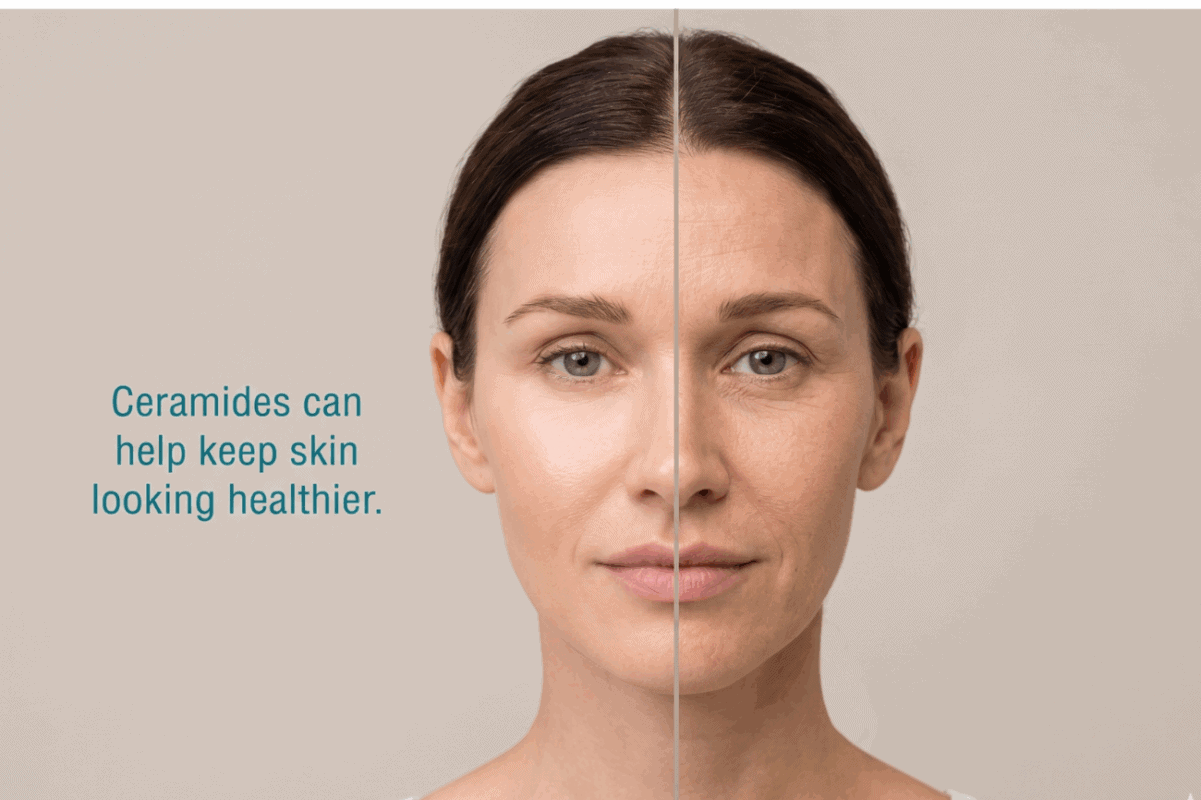
The primary role of ceramides is to maintain the skin barrier. This barrier serves two critical purposes:
- Preventing Trans-Epidermal Water Loss (TEWL): Ceramides lock moisture into the skin, preventing it from evaporating into the air. This is why ceramide-rich moisturizers are highly effective for those living in drier European climates.
- Protection Against Environmental Damage: A strong barrier shields the deeper layers of the skin from pollutants, allergens, and pathogens.
When ceramide levels drop—due to aging, over-exfoliation, or harsh weather—the skin barrier develops microscopic “cracks.” This leads to sensitivity, redness, and a dull appearance.
The Benefits of Ceramides for Your Skin
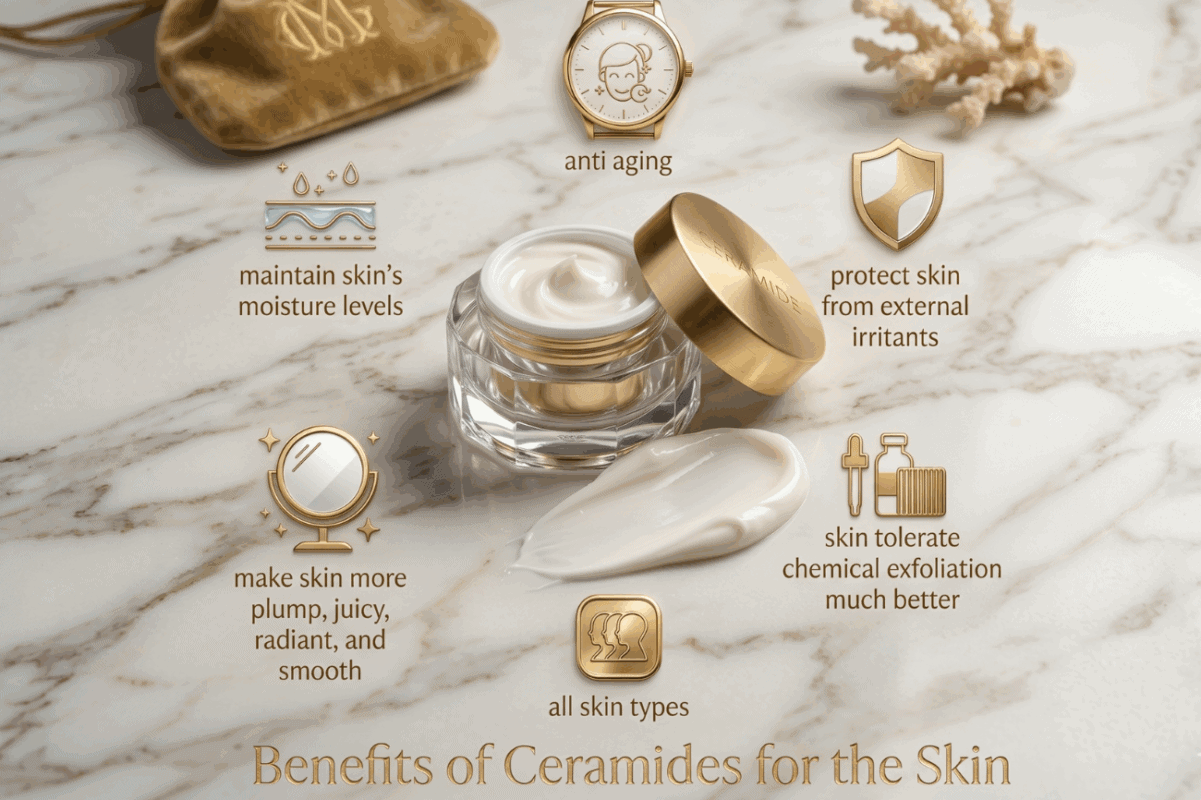
Integrating ceramide-based products into your routine offers several measurable benefits. Because these molecules are skin-identical, they are generally well-tolerated by all skin types, including those with eczema or rosacea.
1. Intense Hydration and Plumpness
Unlike humectants like Hyaluronic Acid, which draw water into the skin, ceramides focus on retaining that water. By sealing the surface, they help the skin maintain a plump, “bouncy” texture.
2. Reduction in Skin Sensitivity
Many people suffer from “reactive” skin. Often, this isn’t a permanent skin type but a symptom of a depleted barrier. By replenishing lipids, ceramides reduce the penetration of irritants, effectively lowering the frequency of rashes and stinging sensations.
3. Anti-Aging Properties
As we age, the quality and quantity of ceramides our body produces begin to decline. This loss contributes to the thinning of the skin and the formation of fine lines. Regular use of barrier repair creams can help maintain skin density and smoothness.
4. Recovery After Active Treatments
If you use high-strength Retinol, AHAs, or Vitamin C, your skin may occasionally feel tight or flaky. Ceramides are the perfect “recovery” ingredient to balance the potential irritation caused by these potent actives.
Why Ceramide Levels Decline
Even if you have naturally oily or resilient skin, several factors can deplete your ceramide stores:
- Aging: By the time you reach your 30s, you may have lost up to 40% of your skin’s natural ceramides. By your 40s, that number can rise to 60%.
- Environmental Factors: Cold winds and indoor heating (common during European winters) strip the skin of its essential oils.
- Over-Cleansing: Using harsh, high-pH soaps or exfoliating too frequently can wash away the lipids that protect your face.
- UV Exposure: Sun damage can alter the lipid composition of the skin, leading to a weakened defense system.
How to Choose the Right Ceramide Product
When shopping at Beautinow, you will find ceramides in various formats, from lightweight serums to rich overnight balms. To get the most out of this ingredient, look for the following:
Look for the “Golden Ratio”
Research suggests that ceramides work best when combined with other skin lipids, specifically cholesterol and fatty acids. This “triple threat” mimics the natural structure of the skin barrier more effectively than ceramides alone.
Packaging Matters
Ceramides are stable, but they can degrade if exposed to constant light and air. Opt for products in opaque bottles, tubes, or airless pumps rather than open jars to ensure the formula remains potent until the last drop.
Synergy with Other Ingredients
Ceramides pair beautifully with:
- Niacinamide: Helps the skin produce more natural ceramides.
- Glycerin and Hyaluronic Acid: Provide the moisture that ceramides then “lock in.”
- Peptides: Work alongside ceramides to support skin firmness.
Top-Rated Ceramide Heroes: Professional Recommendations
When selecting a ceramide formula, it helps to look at industry leaders that have perfected the science of barrier restoration. At Beautinow, we see two distinct approaches that consistently deliver results for our European clientele:
The Luxury Icon: Elizabeth Arden Advanced Ceramide Capsules Daily Youth Restoring Serum

These biodegradable single-dose capsules are world-renowned for a reason. By delivering a concentrated, preservative-free dose of Ceramides 1, 3, and 6, they mimic the skin’s natural moisture barrier perfectly. This serum is ideal for those targeting aging and elasticity loss, providing a silky, lightweight finish that absorbs instantly.
The Dermatologist Favorite: La Roche-Posay Toleriane Double Repair Face Moisturizer
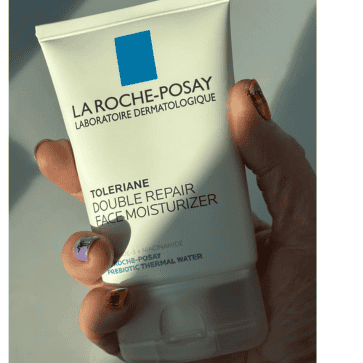
A staple in European pharmacies, this moisturizer combines Ceramide-3 with Prebiotic Thermal Water and Niacinamide. It is specifically formulated for sensitive skin, focusing on “double repair”—restoring the physical barrier while also balancing the skin’s microbiome. It is an excellent, budget-friendly option (typically around €20–€28) for daily maintenance.
Investing in Your Skin Barrier at Beautinow
Quality skincare is an investment in your long-term skin health. At Beautinow, we offer a curated selection of premium skincare brands that utilize advanced delivery systems to ensure ceramides penetrate the stratum corneum effectively.
Whether you are looking for a daily moisturizer in the €40–€80 range or a high-performance luxury treatment, our collection focuses on efficacy and skin integrity. We provide fast shipping across Europe, allowing you to upgrade your routine with ease.
Conclusion
Ceramides are not just another buzzword; they are a fundamental requirement for healthy, functional skin. By replenishing these essential lipids, you can move away from the cycle of dryness and irritation and toward a resilient, glowing complexion.
If you are unsure where to start, consider a dedicated serum or cream to use as the final step in your evening routine. Protecting your barrier today is the best way to ensure youthful skin tomorrow.
Frequently Asked Questions (FAQ)
Can I use ceramides with Retinol?
Yes, in fact, it is highly recommended. Using a ceramide-rich moisturizer alongside Retinol can help mitigate the dryness and peeling often associated with Vitamin A derivatives.
Are ceramides suitable for oily, acne-prone skin?
Absolutely. Even oily skin needs a healthy barrier. People with acne often have lower levels of specific ceramides, which can lead to further inflammation. Look for “non-comedogenic” or lightweight ceramide lotions.
How long does it take to see results from ceramides?
While you may feel an immediate increase in hydration, it typically takes 2 to 4 weeks of consistent use to fully repair and strengthen the skin barrier.
Is there a difference between natural and synthetic ceramides?
Most skincare products use synthetic (lab-derived) or plant-based (phytoceramides) versions. These are highly effective, stable, and often more ethical and sustainable than animal-derived options.
Do I need ceramides if I have healthy skin?
Prevention is key in skincare. Using ceramides even when your skin feels “fine” helps maintain the barrier against future damage and slows the visible signs of aging.
What are 5 essential ceramides?
While the skin naturally contains many variations, five specific ceramides are most frequently utilized in high-end skincare because of their proven ability to restore the barrier:
- Ceramide NP (Ceramide 3): The most common type, crucial for improving water retention and barrier repair.
- Ceramide AP (Ceramide 6-II): Works similarly to Alpha-Hydroxy Acids (AHAs) in helping to smooth the skin, while simultaneously hydrating.
- Ceramide EOP (Ceramide 1): Known for its “binding” strength, it holds the lipid layers together tightly.
- Phytosphingosine: A lipid base that helps the skin produce more of its own natural ceramides.
- Sphingosine: A complex fatty acid that acts as a signaling molecule to help regulate skin health and soothe irritation.
Is it okay to use ceramide every day?
Yes, it is more than okay—it is actually recommended. Unlike active ingredients like acids or retinol which require “rest days,” ceramides are skin-identical ingredients. They replenish what your skin naturally uses. Using them twice daily (morning and night) ensures your barrier remains constantly fortified against pollutants and dehydration.
Is ceramide good for older skin?
Ceramides are essential for mature skin. As we age, our natural lipid production drops significantly—often by over 50%. This loss leads to the thinning of the epidermis, increased sagging, and a “parched” appearance that makes fine lines look deeper. Incorporating a rich ceramide cream from Beautinow can help “re-bulk” the skin’s surface, restoring a smoother, more resilient texture.
Should I use ceramide at night or morning?
You should use ceramides both morning and night for the best results:
- In the morning: They act as a shield, protecting your skin from environmental stressors, wind, and dry office air.
- At night: They support the skin’s natural repair cycle. Since the skin loses the most moisture while you sleep (trans-epidermal water loss), applying ceramides before bed locks in hydration and helps repair any damage sustained during the day.
At Beautinow, we stock a variety of barrier-supporting products suitable for all European climates, typically ranging from €35 to €120 depending on the concentration and brand.