If your skin’s been looking dull, uneven, or just… meh, it’s time to meet your new best friend: glycolic acid. This powerhouse skincare ingredient is famous for smoothing rough texture, fading dark spots, and revealing a fresh, radiant glow that feels like you just stepped out of a facial.
Whether you’re struggling with breakouts, fine lines, or sun damage, glycolic acid can help—but only if you know how to use it properly. In this guide, we’ll cover what glycolic acid actually does, the proven benefits, potential side effects, and exactly how to use it safely for glowing results.
What Is Glycolic Acid?
Glycolic acid is an alpha hydroxy acid (AHA) derived from sugarcane. Thanks to its small molecular size, it penetrates deeper than most other AHAs, making it highly effective at exfoliation.
Instead of scrubbing your skin like a physical exfoliant, glycolic acid dissolves the bonds between dead skin cells, allowing them to shed more easily. This chemical exfoliation helps improve skin clarity, smoothness, and radiance over time.
Benefits of Glycolic Acid for Your Skin
Ready to glow? Here’s why glycolic acid should be in your routine:
1. Fights Acne and Breakouts
Glycolic acid is especially helpful for those with acne-prone skin. By keeping pores clear of oil and debris, it reduces the formation of blackheads and whiteheads. Dermatology research shows that professional glycolic acid peels at higher concentrations (around 70%) can make a significant difference in stubborn acne. While over-the-counter products use lower percentages, they still work effectively for prevention and maintenance when used consistently.
2. Reduces Sun Damage and Dark Spots
Hyperpigmentation, whether from sun exposure, acne scars, or hormonal changes, can make skin look patchy and uneven. Glycolic acid speeds up cell turnover, which helps pigmented cells rise to the surface and shed more quickly. Over weeks of use, this leads to a more uniform tone and a noticeable glow. For people dealing with sun damage, glycolic acid is often part of dermatologists’ recommended regimens because of its ability to smooth discoloration while improving overall texture.

3. Smooths Fine Lines and Wrinkles
As we age, collagen production naturally slows down, leaving skin thinner and less elastic. Glycolic acid stimulates fibroblasts—the cells responsible for collagen and elastin. With time, this stimulation can reduce the look of fine lines and give skin a firmer, plumper appearance. While it’s not a replacement for prescription retinoids or professional treatments, glycolic acid is a proven over-the-counter option for softening the first signs of aging.
4. May Help with Warts
Glycolic acid also plays well with other skincare actives. By exfoliating away dead skin, it allows serums and moisturizers to absorb more effectively. For example, pairing it with vitamin C can improve brightening results, while alternating it with retinoids can enhance anti-aging effects—provided you use them carefully and not on the same night.
Choosing the Right Glycolic Acid Product
The type of glycolic acid you choose makes a big difference in how effective and tolerable it will be. Leave-on products—like toners, serums, and moisturizers—generally provide the best results because they allow the acid to stay in contact with skin long enough to work. Cleansers with glycolic acid can be helpful, but since they rinse off quickly, their impact is usually more subtle.
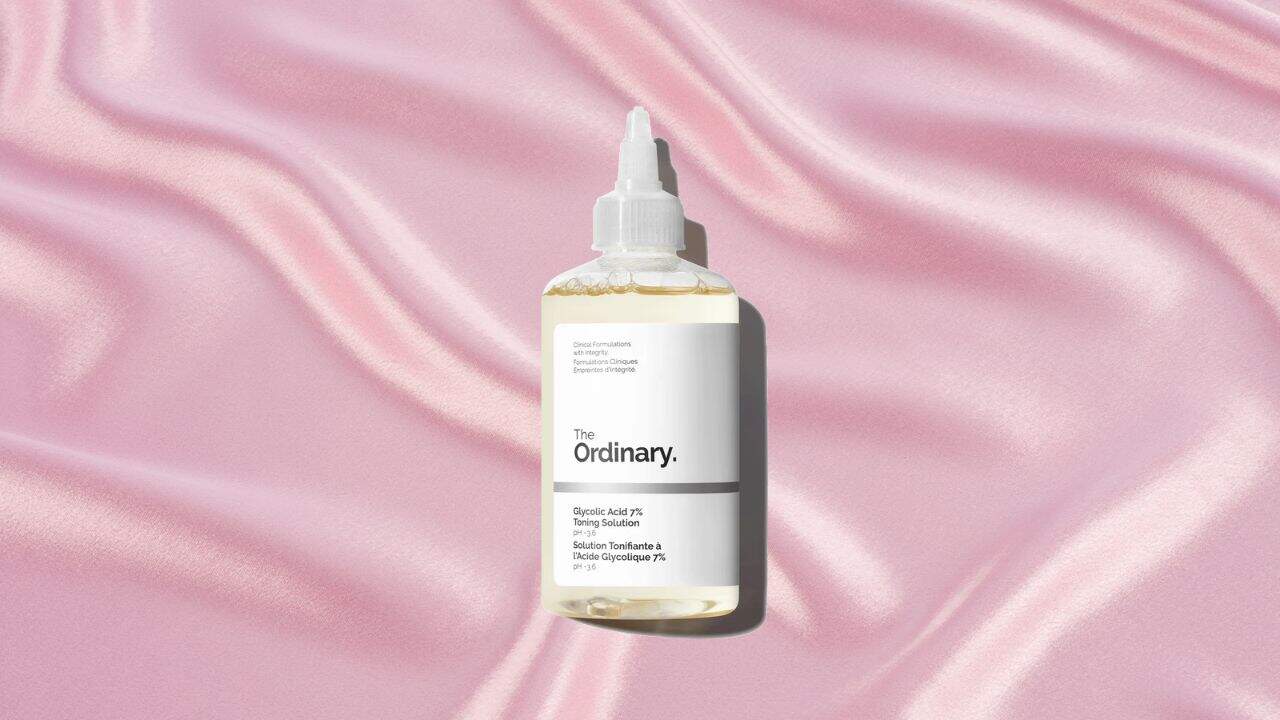
When it comes to strength, beginners should look for concentrations around 5–8%. This range is strong enough to deliver visible benefits but gentle enough for most skin types to tolerate. More experienced users who already know their skin handles acids well can move up to 10–12% for a stronger effect. Beyond that, anything higher is usually considered a peel and should only be done under professional supervision.
Another important factor is pH. For glycolic acid to be effective, the formula should be slightly acidic, ideally between 3 and 4. If the pH is too high, the product won’t exfoliate properly; if it’s too low, irritation becomes more likely. Not all brands print pH on their labels, but many share this information on their websites.
Side Effects of Glycolic Acid
As effective as it is, glycolic acid does come with a few things to watch out for.
- Increases Sun Sensitivity: Because glycolic acid exfoliates the top layer of your skin, the new skin underneath is more sensitive to the sun. Always wear sunscreen when using glycolic acid and continue to wear sunscreen for at least a week after stopping the treatment.
- Can Cause Irritation: Some people may experience redness, itching, or burning, especially if they use a product that’s too strong or use it too often. If irritation occurs, reduce usage, try a lower concentration, or switch to a gentler product.
- May Lead to Hyperpigmentation: In rare cases, strong exfoliants like glycolic acid can trigger dark spots, especially in those with sensitive or melanin-rich skin. To minimize this risk, start with lower concentrations, avoid overuse, and always apply sunscreen.
How to Use Glycolic Acid Safely
To get the benefits without the drawbacks, introduce glycolic acid gradually. A good starting point is applying it just two to three times per week in the evening. Once your skin adjusts, you can increase frequency, but daily use is rarely necessary for long-term results. Here’s a sample routine:
- Cleanse with a gentle, non-exfoliating face wash.
- Apply your glycolic acid product, whether it’s a toner or serum.
- Follow with a nourishing moisturizer to strengthen the barrier.
- The next morning, cleanse lightly and always finish with sunscreen.
It’s also smart to avoid combining glycolic acid with other strong actives, like retinoids or high-concentration vitamin C, on the same night. Alternating nights is a safer approach. And if you’re ever unsure, patch-test first on a small area like the jawline before applying it to your whole face.
Who Should Avoid Glycolic Acid?
Glycolic acid isn’t for everyone. People with extremely sensitive skin conditions, like rosacea or eczema, may find it too irritating. Pregnant or breastfeeding women should consult their doctor before starting any new exfoliating acid. And anyone planning a lot of outdoor activity, such as a beach vacation, may want to pause glycolic use to minimize UV sensitivity.
Glycolic Acid vs. Other Acids
Not sure if glycolic is the right AHA for you? Here’s how it compares. Lactic acid, another popular AHA, is slightly larger in molecular size and therefore gentler. It’s often recommended for dry or sensitive skin types. Mandelic acid is even larger and penetrates slowly, making it an excellent option for redness-prone or melanin-rich skin. Glycolic, by contrast, is the most potent of the three, which makes it a great choice if your primary concerns are dullness, rough texture, or acne.
Start Your Glycolic Acid Journey Today
Glycolic acid is one of the most effective ingredients you can add for brighter tone, smoother texture, softer lines, and fewer clogs. The real unlock is smart use: the right % + right pH, slow introduction, and daily sunscreen. That’s how you turn tingles into long-term results.
While the science matters, authentic, dermatologist-vetted formulas matter more. Choose products with transparent % and pH, and clear usage guidance.
Why choose Beautinow for glycolic acid
- Curated authentic toners, serums, and creams from trusted brands
- Options for starter to advanced routines with transparent percentages
- Ingredient breakdowns and routine tips for safe exfoliation
- Access to expert guidance if you’re unsure where to start
Explore professional-grade exfoliants from The Ordinary, Paula’s Choice, Alpha-H, and more—so you get real results at home. Whether you’re new to acids or looking to upgrade, Beautinow helps you achieve smooth, radiant, and healthy-looking skin.
Frequently Asked Questions
Q: Is it good to use glycolic acid every day?
A: Glycolic acid can be used daily, but it depends on your skin’s tolerance. If you’re new to glycolic acid, start with a few times a week and gradually increase the frequency. Overusing it can cause irritation or sensitivity, especially if your skin isn’t used to exfoliants. Always listen to your skin and adjust usage accordingly.
Q: Does glycolic acid lighten the skin?
A: Glycolic acid doesn’t “lighten” the skin in the traditional sense, but it can help fade dark spots, hyperpigmentation, and discoloration. By exfoliating the skin and promoting cell turnover, it helps to reveal fresher, more even-toned skin, which can result in a brighter complexion.
Q: Can I leave glycolic acid on my face overnight?
A: Yes, glycolic acid can be left on overnight, especially in the form of serums or moisturizers. Overnight application allows it to work longer and exfoliate the skin while you sleep. However, if you’re using a higher concentration, be cautious, as it can increase sensitivity. Always wear sunscreen during the day to protect your skin.