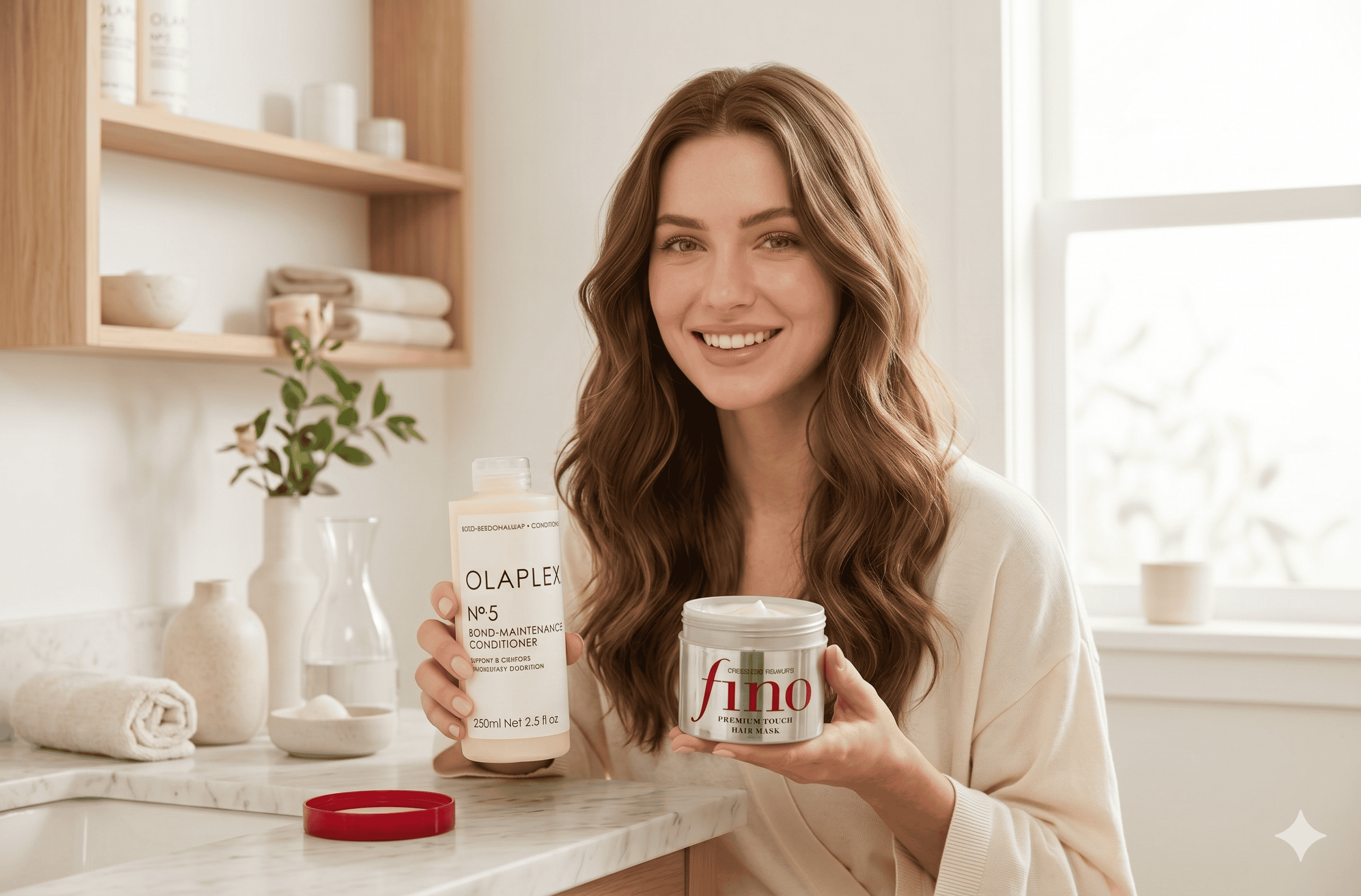
Hair care aisles are full of products that seem to overlap — conditioners, hair treatments, masks, leave-ins… and it’s not always obvious what actually matters. Conditioner and hair masks are often confused, but they are designed for very different purposes in a healthy hair routine.
Understanding the difference between them can completely change how your hair looks and feels over time.
What Does a Conditioner Actually Do?
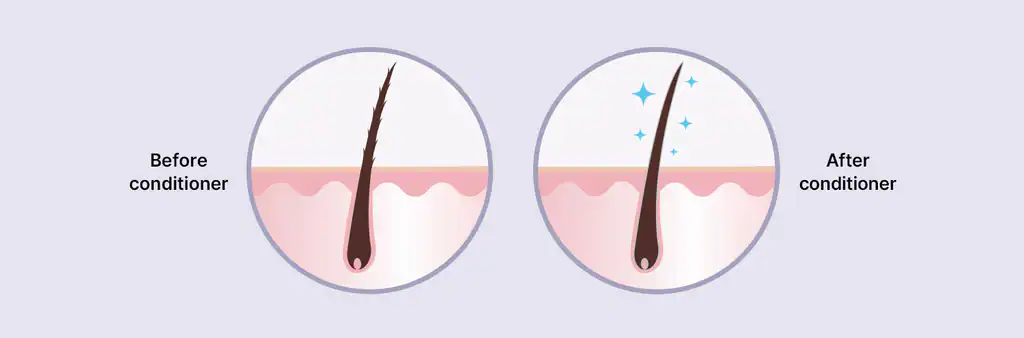
A conditioner is your everyday hair care essential. It is designed to be used after shampooing to restore softness, improve manageability, and reduce friction between hair strands.
When you wash your hair with shampoo, the cleansing process removes oil, dirt, and product buildup from the scalp and hair. This leaves the hair more “open” and slightly rough in texture, which is why freshly washed hair can feel tangled or dry.
Conditioner helps to rebalance this by smoothing the outer layer of the hair fibre (the cuticle), making it feel softer, shinier, and easier to comb through.
In simple terms, conditioner is not about deep repair — it is about maintaining daily comfort, smoothness, and protection against mechanical damage like brushing and styling.
If you wash your hair regularly, conditioner is usually the most consistent and necessary step in your routine.
What Is a Hair Mask and How Is It Different?
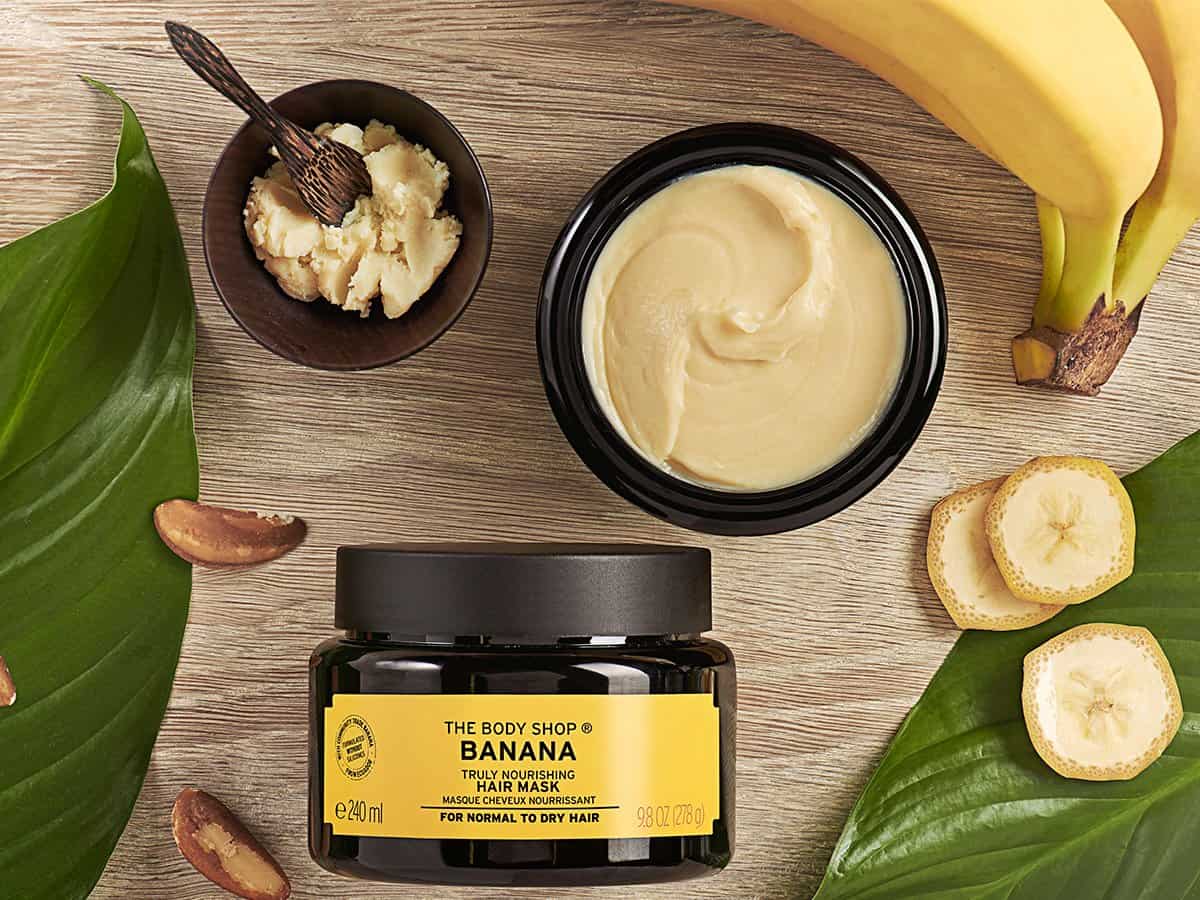
A hair mask is a more intensive treatment designed to deliver richer nourishment deeper into the hair structure. Compared to conditioners, masks contain higher concentrations of conditioning and hydrating ingredients, which is why they are usually used less frequently.
Instead of being a daily smoothing step, a hair mask is more like a weekly reset for your hair.
Hair masks are especially beneficial if your hair is:
- dry or dehydrated
- color-treated or bleached
- frequently heat-styled
- long and prone to breakage or split ends
While conditioner focuses on surface softness, a hair mask helps improve the overall condition and resilience of the hair over time. With consistent use, it can make hair feel stronger, smoother, and more manageable from within.
Think of it as deeper care rather than instant softness.
Conditioner vs Hair Mask: Do You Actually Need Both?
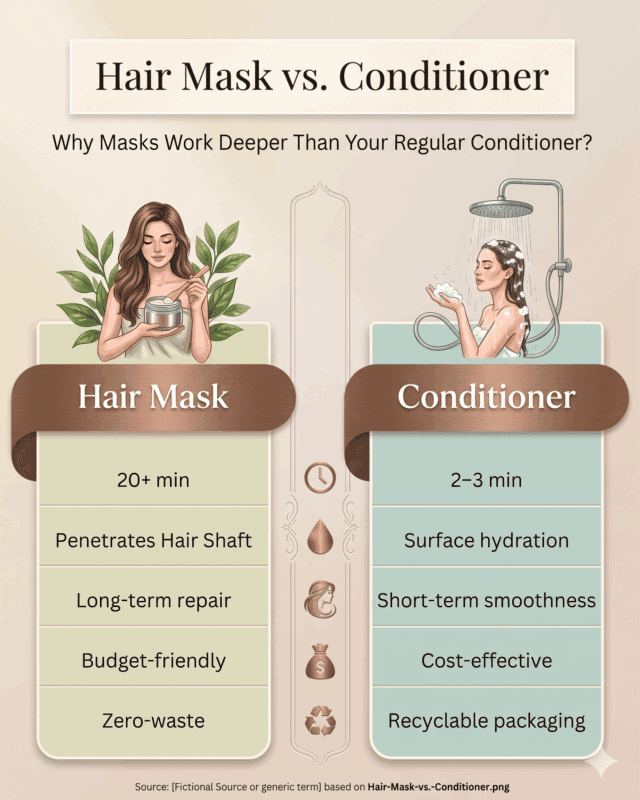
In most cases, yes — but not always in the same wash.
The easiest way to understand it is this:
- Conditioner = daily maintenance and surface-level smoothness
- Hair mask = intensive weekly nourishment and repair support
If your hair is healthy, short, or untreated, a conditioner alone may be enough for your regular routine. However, if your hair has been exposed to coloring, heat styling, or environmental stress, adding a hair mask once or twice a week can significantly improve hair quality over time.
Many people find that alternating between the two works best:
- Conditioner on regular wash days
- Hair mask on treatment days
This keeps the hair balanced without overloading it with heavy products.
The Correct Order in a Hair Care Routine
There is often confusion about how to layer hair care products correctly, especially when masks and conditioners are both involved.
A typical structure looks like this:
Shampoo → Hair Mask (1–2 times per week) → Conditioner (if needed)
Shampoo cleanses the scalp and hair, removing buildup and allowing treatments to work more effectively.
A hair mask is then applied to damp hair to provide deeper nourishment. After rinsing, conditioner can be used depending on your hair type and the level of smoothness you want to achieve.
However, it’s important to note that not every routine needs all steps every time. Some hair types may feel perfectly balanced with just a mask, while others rely more on conditioner and only use masks occasionally.
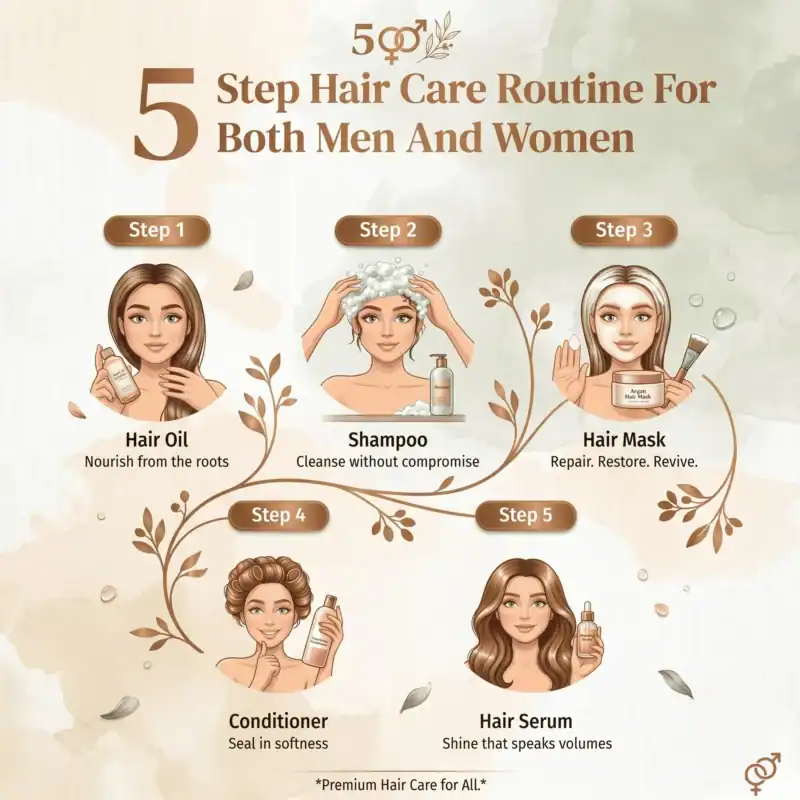
Hair care is flexible — not fixed.
Can You Use a Hair Mask Instead of Conditioner?
Yes, in some cases a hair mask can temporarily replace conditioner, especially if your hair is very dry or damaged. However, masks are richer and heavier, so they are not always ideal for frequent use.
Using a mask too often without balancing it with lighter conditioning can sometimes lead to buildup or a weighed-down feeling, especially in fine hair.
This is why most hair experts recommend using masks as a supplement rather than a full replacement.
Do You Need Conditioner for a Buzzcut?
If your hair is extremely short, like a buzzcut, traditional conditioner is usually not necessary. At that length, there is very little need for detangling or smoothing the hair shaft itself.
Instead, scalp care becomes the priority. A healthy scalp supports healthier hair growth and overall comfort.
Lightweight scalp serums or nourishing oils are often a better choice than heavy conditioners in this case, as they hydrate the skin without leaving residue on the hair.
How to Choose the Right Products for Your Hair
The effectiveness of both conditioners and hair masks depends heavily on formulation. Not all products are created equal, and the right ingredients can make a noticeable difference.
For example:
- Hydrating ingredients like hyaluronic acid and glycerin help retain moisture
- Oils like argan or jojoba add softness and shine
- Proteins like keratin support strength and structure in damaged hair
Choosing products based on your hair type — rather than trends — is what creates real long-term results.
Recommended by Our Editors

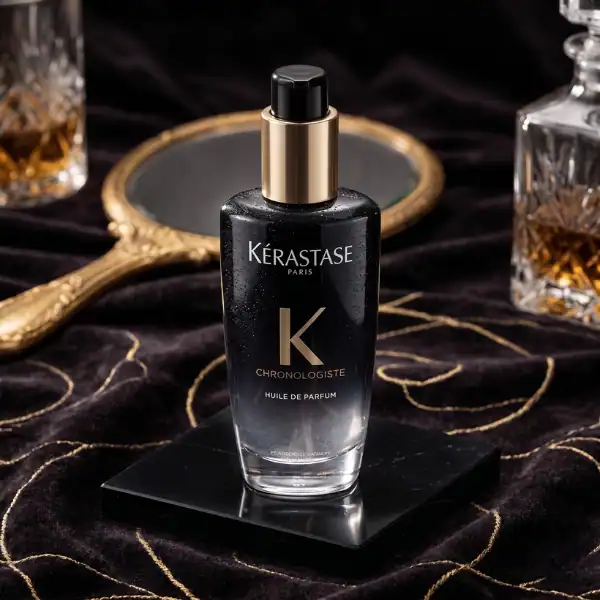
Kérastase Chronologiste Huile De Parfum Hair Oil
Original price was: лв.133,07.лв.87,82Current price is: лв.87,82.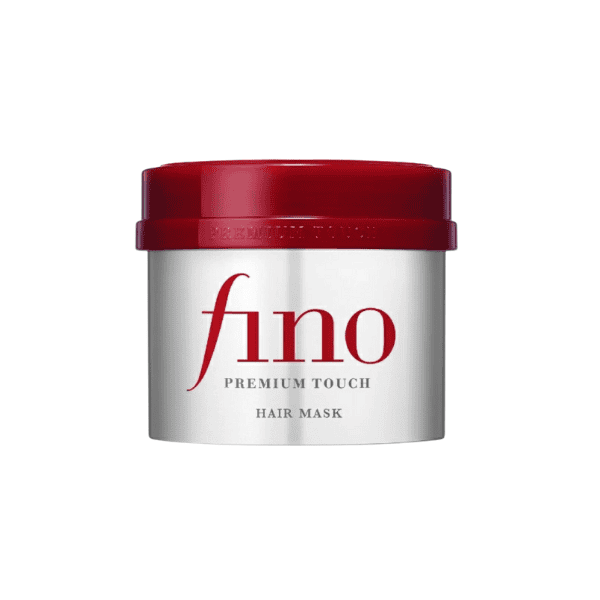
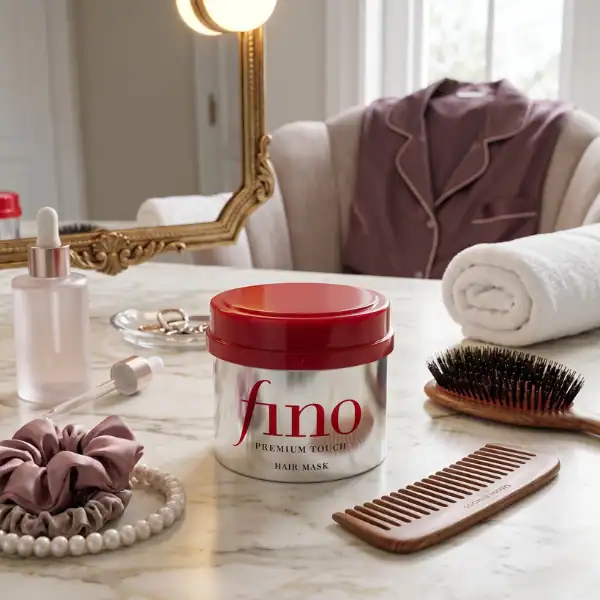
Shiseido Fino Premium Touch Hair Mask
Original price was: лв.48,80.лв.30,32Current price is: лв.30,32.
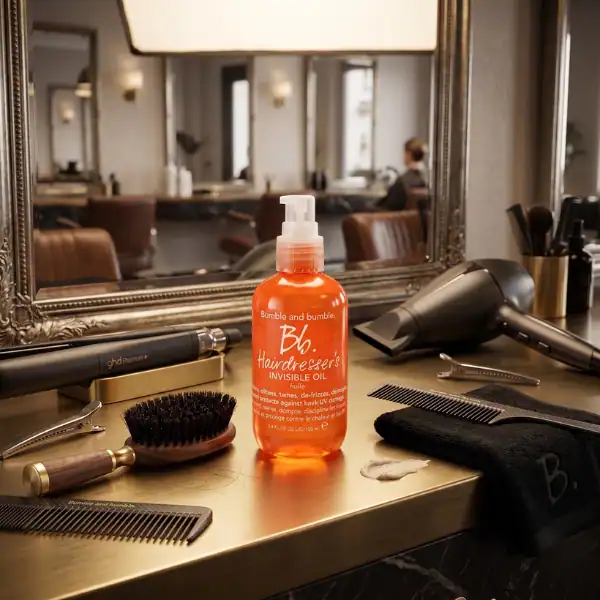
Bumble and Bumble Hairdresser’s Invisible Oil
Original price was: лв.98,77.лв.67,48Current price is: лв.67,48.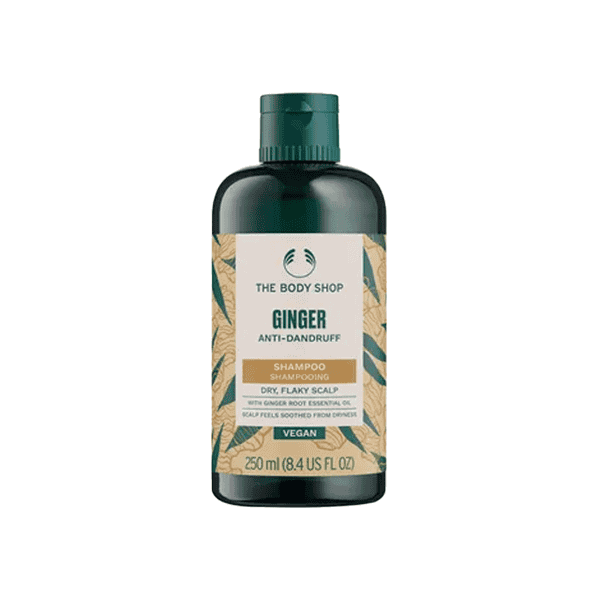
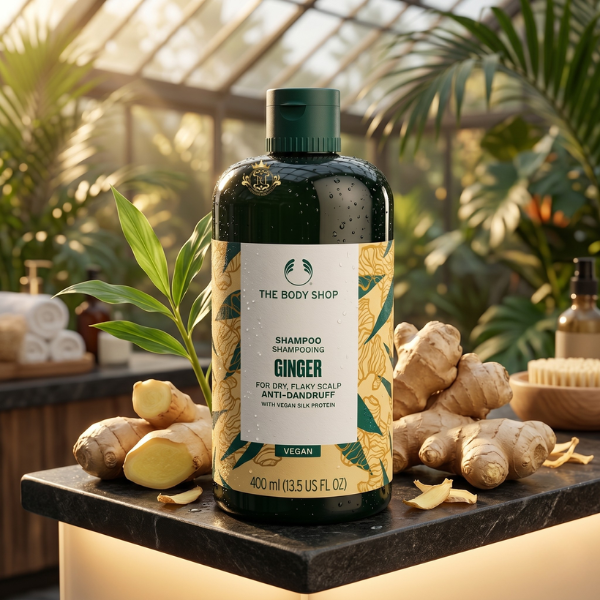
The Body Shop Ginger Anti-dandruff Shampoo
лв.19,46 лв.56,72Price range: лв.19,46 through лв.56,72Upgrade Your Hair Care Routine with Beautinow
At Beautinow, we believe great hair starts with the right balance of care — not more products, but better ones.
That’s why we curate a selection of luxury conditioners, professional hair masks, and targeted treatments from some of the world’s most respected beauty brands. Whether your hair needs hydration, repair, volume, or protection, you can build a routine that actually fits your hair’s needs.
From lightweight daily conditioners to deeply restorative masks, every product in our collection is chosen to help you achieve healthier, more manageable hair over time.
Explore premium hair care and find your perfect routine at Beautinow.com
FAQ: Everything You Need to Know
Do you put a hair mask on roots?
In most cases, no — you should avoid applying a hair mask directly to your roots or scalp.
Hair masks are designed for the mid-lengths and ends of your hair, where dryness, damage, and split ends usually occur. Applying rich formulas to the scalp can sometimes lead to buildup, greasiness, or a weighed-down feeling, especially if you have fine or oily hair.
Exception:
If you’re using a scalp-specific treatment mask (for example, detox or scalp hydration masks), then applying it to the roots is completely fine — but only when the product is specifically designed for that purpose.
What should I do after a hair mask?
After rinsing out your hair mask, your next step depends on your hair type and the type of mask you used.
In most cases:
- Rinse the mask thoroughly with lukewarm water
- Gently squeeze out excess water (don’t rub aggressively)
- Follow with a light conditioner if your hair needs extra smoothing
Some masks are “all-in-one” and do not require conditioner afterward, while others benefit from a finishing conditioner layer to seal the cuticle and improve softness.
After your shower, you can continue with:
- Leave-in conditioner (if needed)
- Heat protectant before styling
- Lightweight oils for shine on the ends
What is the correct order for a hair mask?
The correct order in a hair care routine is:
Shampoo → Hair Mask → Rinse → Conditioner (optional)
Here’s why this order works:
- Shampoo cleanses the hair and removes buildup
- Hair mask penetrates better on clean, damp hair
- Conditioner smooths and seals the outer layer afterward
However, not every routine requires both mask and conditioner every time. If your mask is very rich or nourishing, you may skip conditioner depending on how your hair feels.
Can we use hair mask and conditioner on the same day?
Yes — you can use both a hair mask and conditioner on the same day, but it depends on your hair needs.
This combination is most useful if your hair is:
- very dry
- chemically treated (bleached or colored)
- damaged from heat styling
- thick or coarse
In that case, the mask provides deep nourishment, and the conditioner helps smooth and seal the hair afterward.
However, if your hair is fine or gets oily easily, using both in one wash can feel too heavy. In that case, it’s usually better to alternate:
- Hair mask on treatment days
- Conditioner on regular wash days
Should you use conditioner after a hair mask?
This depends on the type of mask and your hair condition.
Yes, use conditioner after a mask if:
- your hair still feels slightly rough after rinsing
- you have thick, dry, or frizz-prone hair
- your mask is focused on repair rather than smoothing
You can skip conditioner if:
- your mask already leaves hair very soft and smooth
- you have fine hair that gets weighed down easily
- the product is labeled as a “2-in-1 treatment mask”
Think of conditioner as a “finishing step” — not always required, but helpful when extra smoothness is needed.
The Body Shop Ginger Anti-dandruff Shampoo
лв.19,46 лв.56,72Price range: лв.19,46 through лв.56,72

Moroccanoil Treatment
лв.73,34 лв.118,11Price range: лв.73,34 through лв.118,11
Shiseido Fino Premium Touch Hair Mask
Original price was: лв.48,80.лв.30,32Current price is: лв.30,32.