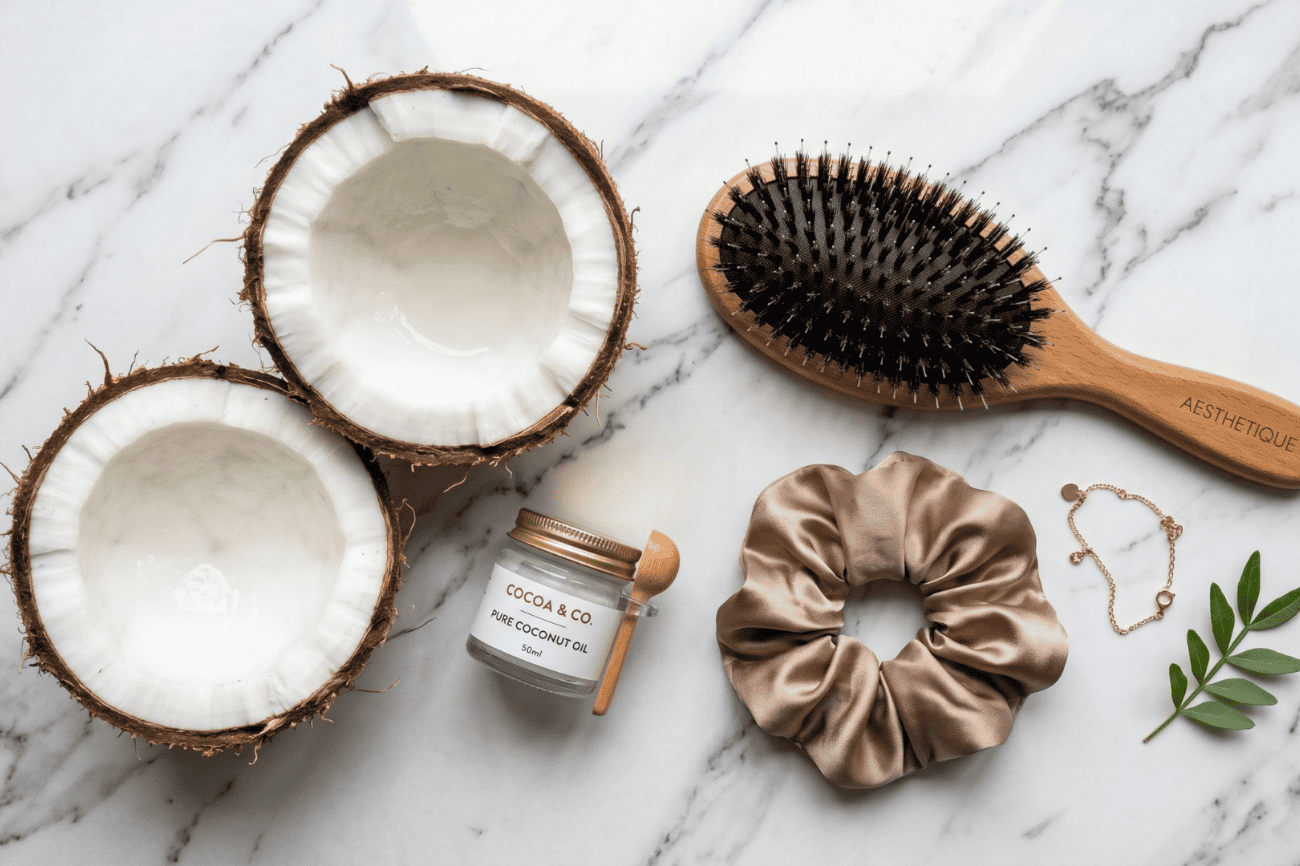
The use of coconut oil in hair care is a practice rooted in centuries of tradition, yet it remains one of the most debated topics in modern cosmetology. For the discerning beauty enthusiast, the question is rarely whether coconut oil is natural, but rather how its specific molecular structure interacts with different hair types. While some users report transformative softness, others experience brittleness and crunchy textures. Understanding the science behind these disparate results is essential for anyone looking to optimize their hair health without unnecessary spending.
The Molecular Science of Coconut Oil

To understand why coconut oil behaves differently than Argan or Jojoba oil, we must look at its chemical composition. Coconut oil is rich in Lauric acid, a medium-chain fatty acid. Unlike many synthetic silicones or heavier vegetable oils that simply coat the hair shaft, coconut oil has a low molecular weight and a straight linear chain.
This unique structure allows the oil to penetrate the hair cuticle and reach the cortex. Research indicates that coconut oil is particularly effective at reducing protein loss for both undamaged and chemically treated hair. When applied as a pre-wash treatment, it fills the gaps between cuticle cells, preventing water from rushing in and causing hygral fatigue, which is the repeated swelling and contracting of the hair fiber that leads to damage.
Coconut Oil Hair Mask: Good or Bad?
The Good: Why Coconut Oil Succeeds
For the right candidate, coconut oil serves as a powerful, cost-effective mask. Its primary strength lies in its ability to provide deep conditioning and environmental protection.
Prevention of Protein Loss
Hair is primarily composed of keratin. Daily stressors like UV exposure, brushing, and heat styling strip away these proteins. Because of its affinity for hair proteins, coconut oil acts as a shield. On my hair, a light application before a clarifying shampoo prevents that “stripped” or straw-like feeling often associated with deep cleansing.
Color Protection and Sealing
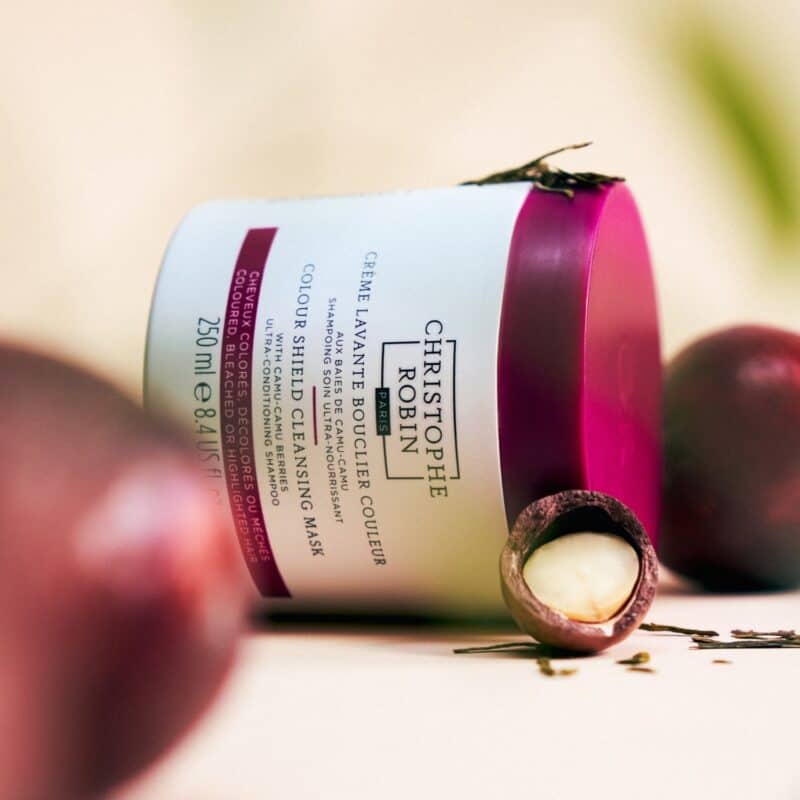
For those with color-treated hair, the goal is to prevent oxidation and pigment washout. While coconut oil provides a basic barrier, advanced professional formulas like the Christophe Robin Color Shield Cleansing Mask with Camu Camu Berries offer a more sophisticated approach. While coconut oil feels viscous and heavy, this mask has a creamy, velvety texture that protects the hair fiber while using acidic pH levels to lock in color. It provides the same protein-protective benefits as coconut oil but with the added antioxidant power of Camu Camu.
Intense Moisture Retention
While oils do not technically moisturize (only water can do that), they are excellent occlusives. Coconut oil creates a velvety barrier that traps existing moisture inside the hair shaft. This is particularly beneficial for those with high-porosity hair, where the cuticles are raised and moisture escapes easily.
Sensory Experience
The application of high-quality, cold-pressed coconut oil is a sensory ritual. The texture is initially solid and viscous but melts into a creamy, lactonic liquid upon contact with skin warmth. The scent is often billowy and tropical, providing an emotional sense of relaxation and self-care during the treatment process.
The Bad: When Coconut Oil Fails

Despite its benefits, coconut oil is not a universal solution. In fact, for certain hair types, it can cause more harm than good.
The Problem with Low Porosity Hair
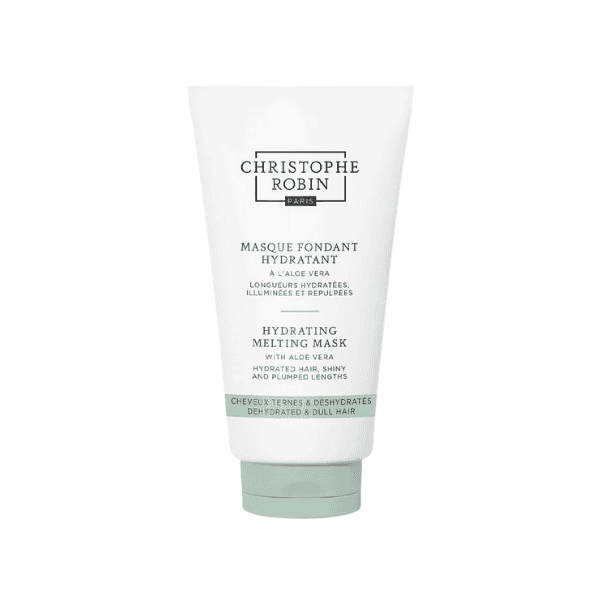
If your hair has low porosity, the cuticles are tightly packed. Because coconut oil is so substantive, it may not be able to penetrate the shaft. Instead, it sits on the surface, creating a cloying buildup that prevents water from entering. For these hair types, a water-based hydrator like the Christophe Robin Hydrating Melting Mask with Aloe Vera is superior. Its weightless, gel-like texture provides immediate slip and moisture without the heavy, occlusive film that pure coconut oil leaves behind.
Protein Overload and Brittleness
Coconut oil helps hair retain its natural protein. However, if your hair is already protein-heavy or very fine, adding an agent that further “hardens” or preserves that protein can make the hair lose its elasticity. This leads to a “snapping” effect where the hair breaks easily under tension.
Scalp Sensitivity
While the hair lengths may benefit, the scalp is a different ecosystem. Coconut oil is highly comedogenic. If you are prone to scalp acne or seborrheic dermatitis, applying a heavy oil mask to the roots can clog follicles and exacerbate irritation.
Determining Your Hair Type for Optimal Results

Before applying coconut oil, you must assess your hair’s needs. A simple way to do this is the “float test” for porosity. Place a clean strand of hair in a glass of water. If it floats for several minutes, you likely have low porosity hair and should use coconut oil sparingly, perhaps diluted with a lighter oil like Grapeseed. If it sinks quickly, your hair is high porosity and will likely drink up the coconut treatment.
How to Apply a Coconut Oil Hair Mask Correctly
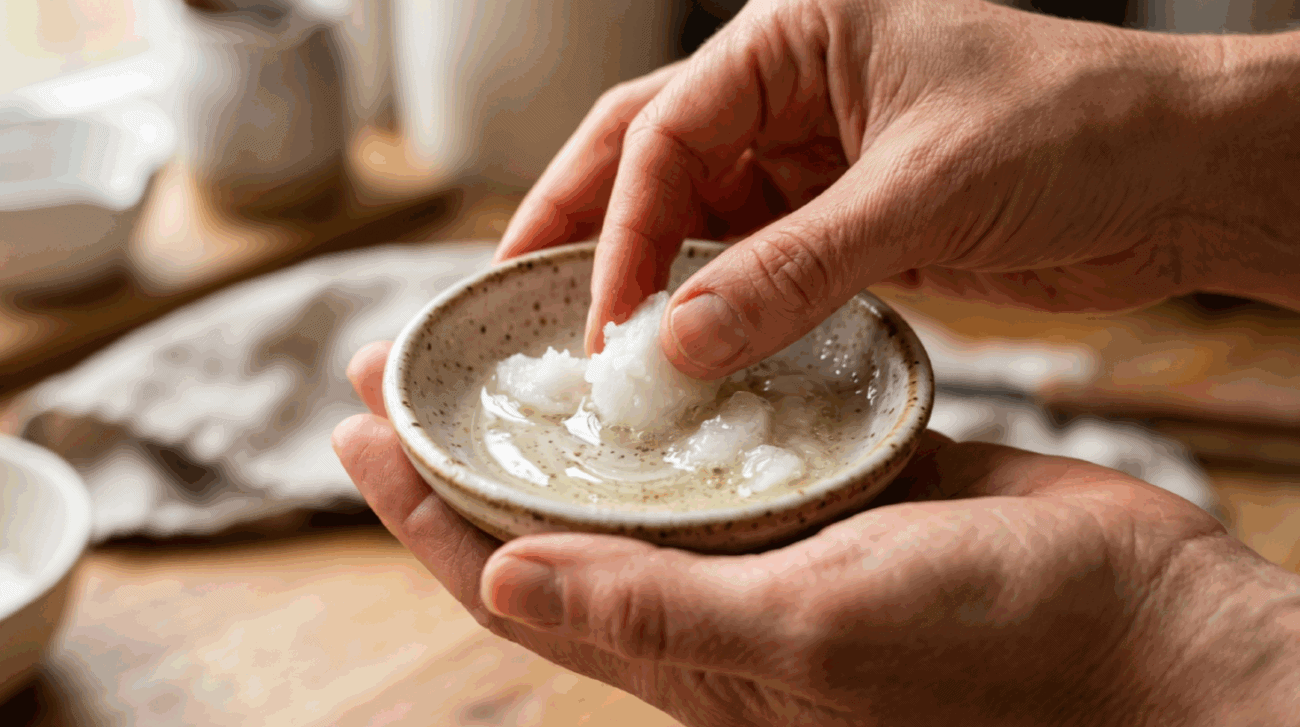
To maximize the “good” and minimize the “bad,” follow this structured application method:
- Warm the Oil: Never apply cold, solid oil. Warm a small amount in your palms until it reaches a clear, piquant consistency.
- Target the Ends: Focus the application from the mid-lengths to the tips. This is the oldest part of the hair and requires the most protection.
- Pre-Shampoo Treatment: Apply the oil to dry hair at least 30 minutes before washing. This allows the oil to penetrate without being blocked by water molecules.
- The Double Wash: To avoid a greasy residue, you may need to shampoo twice. Ensure the water temperature is lukewarm to help break down the oil.
- Frequency: Limit this treatment to once every two weeks. Over-use can lead to the “crunchy” texture mentioned earlier.
Comparing DIY and Professional Treatments
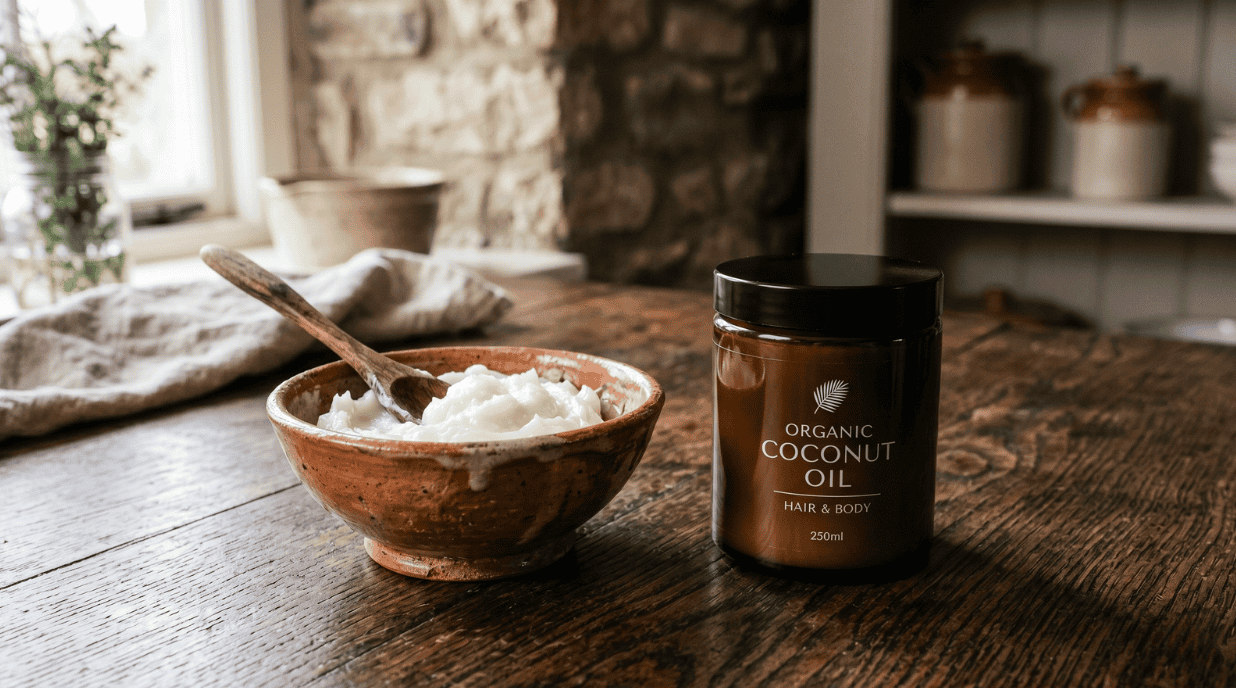
While pure coconut oil is a fantastic single-ingredient tool, professional hair masks often combine coconut derivatives with humectants like glycerin or hyaluronic acid. This provides a more balanced approach to “moisture” (water) and “nourishment” (oil). For those transitioning from mass-market products to a niche beauty routine, alternating between a pure oil treatment and a sophisticated, multi-ingredient mask is the most effective strategy.
Common Misconceptions About Coconut Oil
“It works for everyone”
This is a myth. Some hair types, particularly low-porosity hair, may find that coconut oil causes “protein buildup,” making the hair feel stiff or brittle. If your hair feels straw-like after using it, you likely need a humectant-based treatment (like aloe or glycerin) instead of an oil.
“It can replace heat protectant”
Coconut oil has a low smoke point. While it offers some protection against environmental factors, it should never replace a dedicated heat protection spray when using flat irons or curling wands at temperatures exceeding 180°C.
FAQ: Common Questions About Coconut Oil

1. Can coconut oil make my hair fall out? No, coconut oil does not cause hair loss. However, the act of massaging the oil can dislodge hairs that were already in the shedding phase. Additionally, if applied too heavily to the scalp, it may cause irritation in sensitive individuals.
2. Should I apply coconut oil to wet or dry hair? Dry hair is generally better. Hair is most fragile when wet and already swollen with water. Applying oil to dry hair allows the Lauric acid to penetrate the cortex more effectively.
3. Is it safe to leave coconut oil in overnight? For very high-porosity or extremely damaged hair, an overnight treatment can be beneficial. However, for most users, 30 to 60 minutes is sufficient to achieve the protein-protective benefits.
4. Can I use coconut oil if I have colored hair? Yes, coconut oil is generally safe for color-treated hair and can actually help prevent the “color bleed” that occurs during the shampooing process by reducing the hair’s water uptake.
5. How do I know if I have “protein overload” from coconut oil? If your hair feels stiff, dry, and breaks when you pull on a strand instead of stretching, you may have used too much oil or have a protein sensitivity. Switch to a moisture-based, oil-free conditioner for a few washes to restore balance.
Smart Shopper Pro-Tip

To increase the penetration of your hair mask, apply the oil and then wrap your hair in a warm, damp towel. The gentle heat opens the cuticle slightly, allowing the medium-chain fatty acids to move deeper into the hair shaft for a more “velvety” finish.
Coconut oil is an exceptional too when used with an understanding of hair physiology. It provides a luxury-level treatment for protein protection and shine at a fraction of the cost of boutique masks. By respecting your hair’s porosity and avoiding heavy scalp application, you can harness the benefits of this ancient beauty secret.
Explore our Hair Care category for a curated collection of hair products including the best shampoo, conditioners, hair treatments, and hair mist.
Selecting the Right Product at Beautinow
When choosing a coconut oil-infused product, quality matters. Look for “Cold-Pressed” or “Extra Virgin” if using pure oil, or opt for professional-grade hair masks that list Cocos Nucifera (Coconut) Oil near the top of the ingredient list.
At Beautinow, we provide a range of luxury hair care solutions that ship directly across Europe. Whether you are in Paris, Berlin, or Madrid, you can access top-tier treatments starting from approximately €20 to €80, depending on the brand’s concentration and niche status.