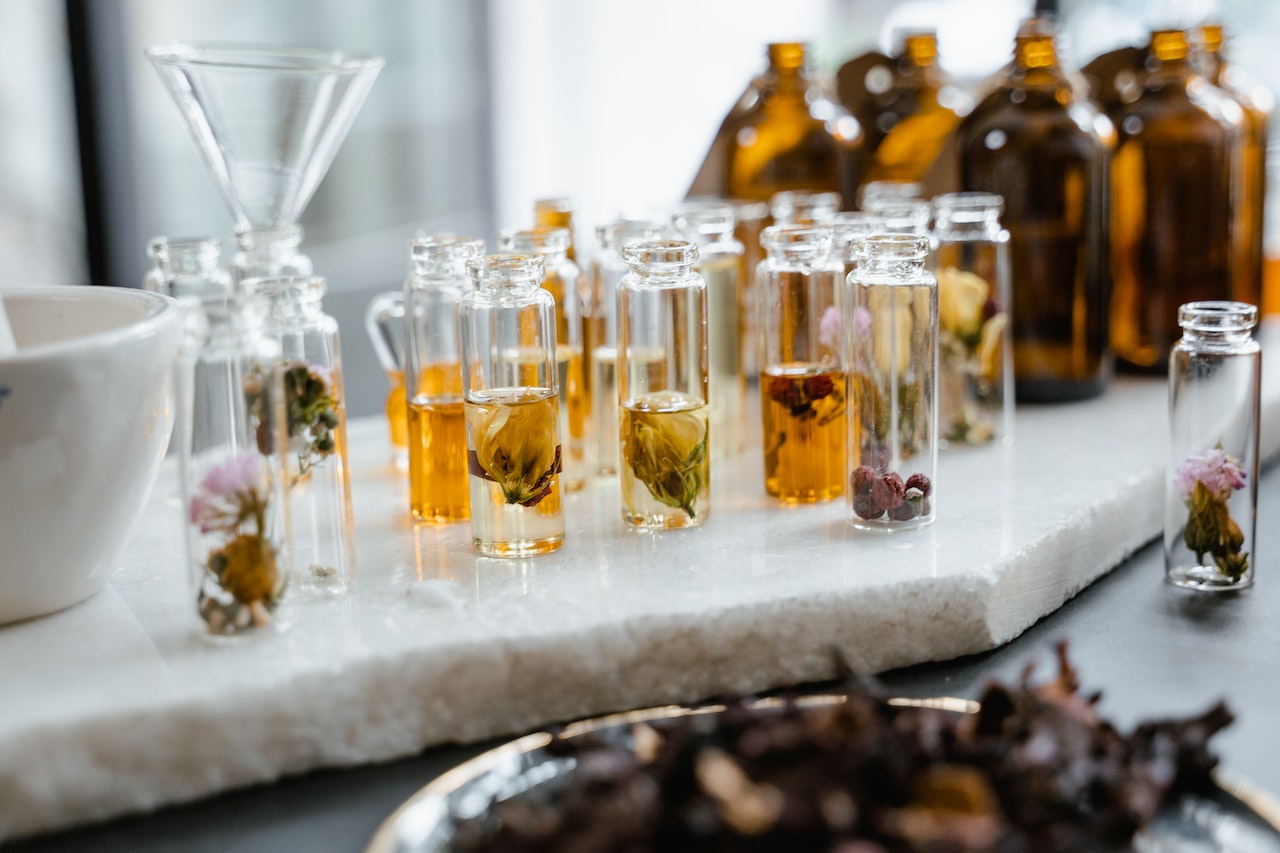
Making your own perfume at home is not only a great way to save money, but it can also be a lot of fun. With just a few simple ingredients, you can create a signature scent that reflects your unique personality and style. In fact, many people enjoy making their own perfumes as a fun hobby or creative outlet.Experiment with scent combinationsOne of the reasons that making your own perfume is so enjoyable is that it allows you to experiment with different scents and combinations. You can mix and match essential oils and other fragrance ingredients to create a perfume that is truly one-of-a-kind. This can be a great way to express your creativity and personalize your fragrance.Natural and organicAnother benefit of making your own perfume is that it can be a more natural and organic alternative to store-bought fragrances. Many commercial perfumes contain synthetic chemicals that can be harmful to your health and the environment. By making your own perfume at home using natural ingredients, you can avoid these potentially harmful chemicals and create a fragrance that is both safe and sustainable.Rewarding & funAdditionally, creating your own perfume can be a fun and rewarding way to connect with others. You can share your creations with friends and family, or even start a perfume-making club or workshop. This can be a great way to bond with others who share your passion for fragrance.
How to Make Perfume at Home Recipe
Here’s an easy recipe to create your own perfume:
Ingredients:
- 1/4 cup of carrier oil (such as jojoba oil or sweet almond oil)
- 10-20 drops of your preferred essential oil(s)
- 1-2 teaspoons of alcohol (such as vodka or witch hazel)
- Small glass bottle with a lid
- Funnel
Instructions:
- Start by selecting your essential oils. You can use a single oil or create your own blend. Some popular essential oils to use in perfumes include lavender, rose, jasmine, and sandalwood. Be mindful of the base note, middle note and top note that you want to achieve.
- Measure out your carrier oil into the glass bottle using a funnel.
- Add your essential oils, a few drops at a time. You may want to experiment with different amounts and combinations of oils until you find the scent you like best.
- Add a teaspoon of alcohol and shake the bottle gently to mix the ingredients.
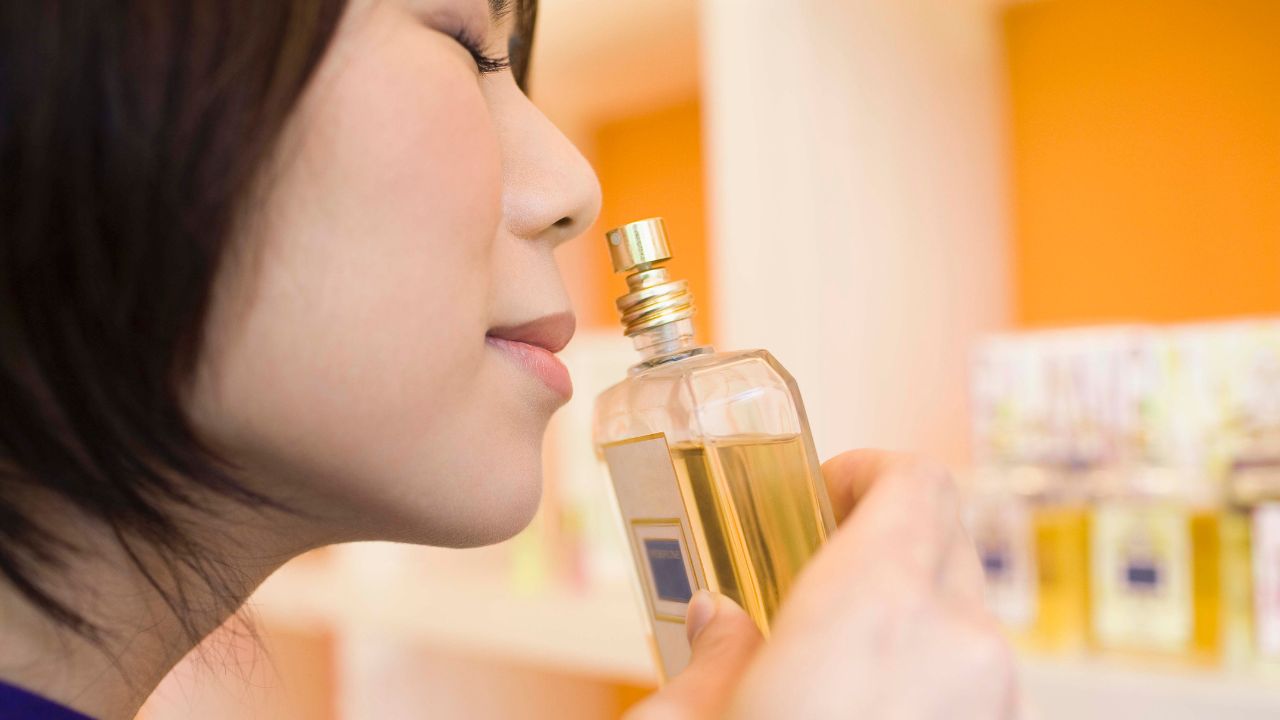
- Smell your perfume to see if you like the scent. If you want a stronger fragrance, add a little more essential oil.
- Seal the bottle and store in a cool, dark place for at least a week to allow the scent to mature and blend.
Note: If you prefer a more alcohol-based perfume, you can also add more alcohol and reduce the amount of carrier oil.
Essential Tips to Improve Your Homemade Fragrances
Finally, here are some final tips to become a better perfume creator:
Let your perfume age
Allowing your perfume to age is important for a number of reasons. First and foremost, fragrance blends are composed of a complex array of volatile organic compounds that are responsible for the scent. Over time, these compounds undergo various molecular transformations, affecting their stability and altering their odor profile. This means that the aroma of your perfume will change as it ages, allowing the different notes to harmonize and become more cohesive.Additionally, aging your perfume can help to improve its longevity. When first blended, the compounds in your perfume will evaporate at different rates, which can lead to an unbalanced scent. By allowing your perfume to age, the volatile compounds will have a chance to interact with one another, creating a more stable blend that will last longer on your skin.But how long should you let your perfume age? While there’s no set rule, most perfumers recommend letting your fragrance mature for at least two weeks, and up to six weeks or more if you have the patience. During this time, it’s important to store your perfume in a cool, dark place away from direct sunlight or heat, as these factors can affect the stability of the fragrance.
Lighten the fragrance with distilled water
You can also add a small amount of distilled water to create a lighter, more refreshing fragrance. Distilled water is an excellent ingredient to use when lightening a selfmade fragrance because it is completely pure and does not contain any minerals or impurities that can alter the scent of the fragrance. This means that it will not affect the quality of the ingredients in the fragrance, and will not change the fragrance’s scent or its overall effectiveness.
Label your homemade perfumes
Labeling your self-made fragrances with the ingredients used and date is important for a variety of reasons. Firstly, it helps you track down the ingredients you used in case you want to replicate the fragrance again in the future. This is especially important if you create a signature scent that you’d like to use continuously.Secondly, labeling your fragrances with the date of creation helps ensure you are using them within their shelf life. Essential oils and other fragrance ingredients have expiry dates, and when they expire, they can no longer be used since they can pose health risks or give off an unpleasant odor. By labeling your fragrances with the date of creation, you can easily keep track of their shelf life and avoid using them past their expiry date.Thirdly, labeling your fragrances with the ingredients used allows you to identify any allergies or sensitivities you may have to any specific ingredient. This is particularly important if you plan on using the fragrance on yourself or others, or if you plan on selling them to clients. The fragrance may contain an ingredient that causes an adverse reaction, and by knowing what ingredients were used, you can avoid using that ingredient in the future.Lastly, labeling your self-made fragrances with ingredients used and date contributes to your professionalism and authenticity as a perfumer. It shows that you take your craft seriously and that you care about the safety and satisfaction of your customers, family or friends. It also helps you communicate your processes and techniques, build trust and establish loyalty with your customers who may know you personally or by reputation.