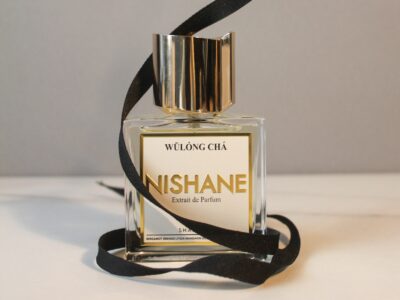
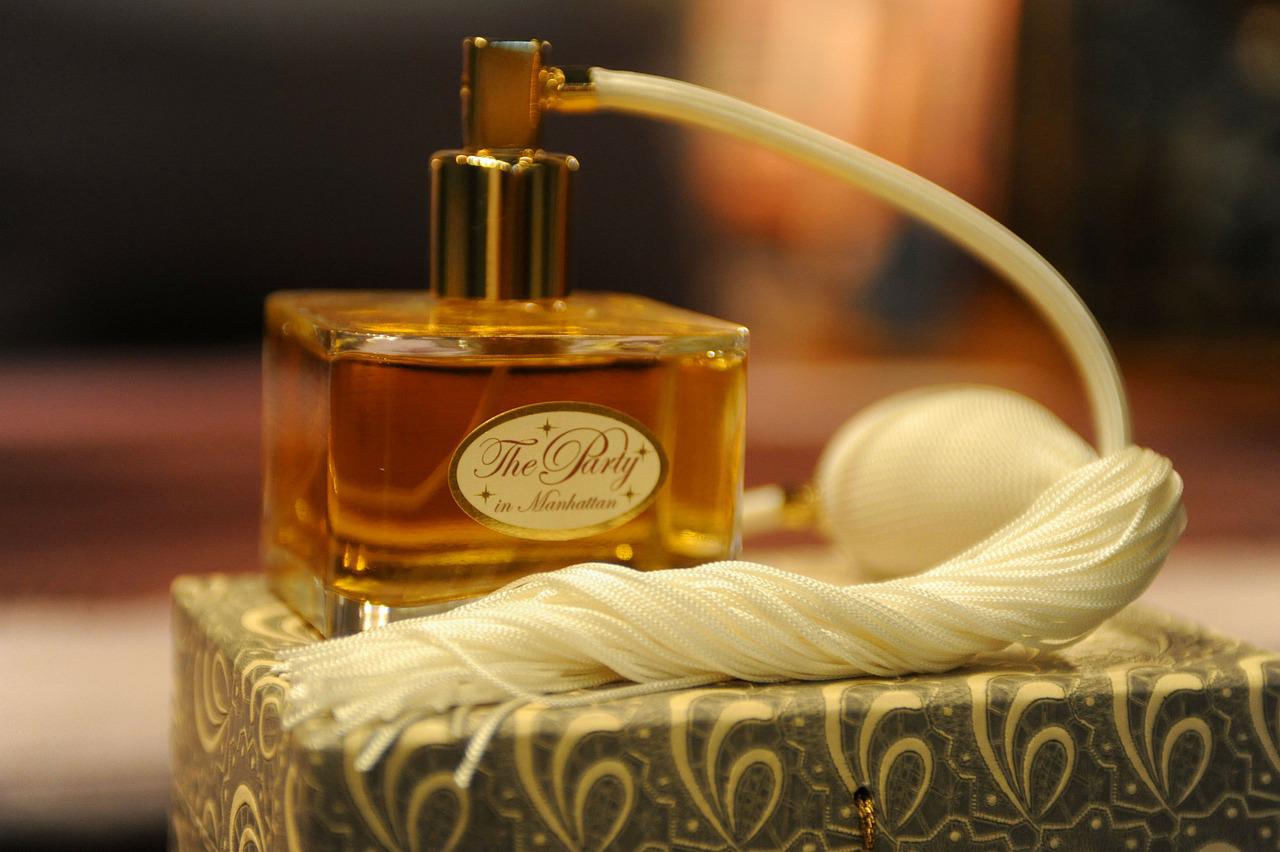
We have seen many variants and iterations of the perfume bottle throughout history. In this article, we will explore the truly fascinating evolution of the perfume bottle. Modern perfume bottles are designed to enhance the experience of spraying on the aromatic liquid. Glass bottles are essential for storing perfume because they do not react with the liquid inside and protect it from external elements. While distilled and mixed perfumes can be traced back to ancient Mesopotamia, it is the Egyptians whose perfume vessels have survived the test of time.
Egyptian Ancient Perfume Bottles
How are perfume bottles made by Egyptians?
Perfume oil jars made with terracotta featuring hieroglyphics and paintings were often used by perfume lovers. Egyptians ensured that their ancient perfume bottles were crafted to perfection and looked delicate. Since perfume was exclusive to the nobility, the bottles needed to match up with their splendor. The vessels would either be created with stones like travertine marble or fashioned using a type of ceramic called faience. Colorful glass was also used to create perfume bottles with the core-forming method, which was developed in Mesopotamia and then spread to Egypt. The artisans created exquisite patterns with rich colors to make the bottles look luxurious. The vials, also known as alabastrons, were examples of excellent craftsmanship. The Romans came up with the ‘aryballos’, a small narrow-necked spherical container that made direct application of perfume much easier. You may learn more about Egyptians in this article: Ancient Egypt: Origins of Perfume.
Impact of Glassblowing on Perfume Bottles
Syrian artists came up with the process of blowing in around the 1st century BCE. It became popular in the Roman Empire among perfume enthusiasts. As perfumes were beginning to infiltrate the daily lives of the Romans, it became important to arrange for large-scale production of ancient perfume bottles. Glassblowing helped them accomplish just that. Blown glass was translucent and swifter to make. As a result, artists ditched core-formed or cast glass and used blown glass to make tableware, jewelry, and perfume bottles. We have also published this article about Ancient Roman Perfume History.
Luxurious Perfume Bottles of the Renaissance
The Middle Ages saw perfume becoming more commonplace in Europe with the introduction of new ingredients and new manufacturing processes. Solid perfumes, which were often worn on the body, were kept in pomanders. Liquid perfumes, on the other hand, were stored in gorgeous, exquisite vials. Venice introduced delicate, thin glass vessels in a style known as cristallo which changed the game. The perfume bottles of the late medieval period reflected luxury. They were often decorated with stones and gems so as to make a statement in public.
Development in the 18th century
Perfume bottles of the 18th century in Europe evolved fairly quickly depending on the fashion of the day. Glass, porcelain, or even white glass was commonly used to make the bottles. Available in Neoclassical styles, many bottles tried to replicate the scrolls and gilding of Rococo design or paint a pastoral scene of the Romantic era. It was during this time that it was slowly becoming clear that the person making the perfume bottle was as much as artist as the one making the perfume.In 1870, gastronome Brillat-Savarin came up with the idea for the atomizer. This was one of the most important inventions in Perfumery thus far, changing the fundamental way in which someone thought about perfume.
American Perfume Bottles
The Industrial Revolution made it possible to facilitate the mass production of glassware. Americans, instead of opting for classic designs, decided to try something new and create unique bottles that would represent the liquid inside. Ornate decoration alongside cut glass became common features of these new-age perfume bottles designed by jewelers like Louis Comfort Tiffany. Following an Art Nouveau style, these bottles were decorated with precious stone but the main charm lay in the intricate glasswork.
20th Century Perfume Bottles
Towards the beginning of the twentieth century, two crystal manufacturers went into the business of making strikingly beautiful fragrance bottles, Lalique for Coty and Baccarat for Guerlain. The perfume bottles emerged as works of themselves, and companies intended them to be displayed as decor pieces on the vanity. In 1946, Elsa Schiaparelli created one of the most unusual perfume bottles ever in collaboration with none other than Salvador Dali. Crafted by Baccarat, Le Roy Soleil by Schiaparelli (The Sun King) was in the shape of the Sun and featured waves to denote the freedom of France from Nazi Germany. Nina Ricci’s L’Air du Temps bottle featured two intertwined doves to indicate freedom and grace. Crystal perfume bottles were definitely quite the statement, and René Lalique’s frosted glass perfume bottles are still in demand. The iconic perfume bottles of iconic perfumes are instantly recognizable, indicating the value of a good perfume bottle design for brands. Chanel No. 5, the most popular perfume in the world, also has a memorable bottle design because of the cut-glass design that allows the amber liquid to shine through in all its glory.In recent times, there has been a shift towards more uncommon or futuristic designs. Brands like Moschino and Jean Paul Gaultier have ended up with a unique bottle design to define their brand.