

Blog
Home / Origins & History of Perfume / The History of Eau de Toilette
Categories
Recent Posts
- Affordable Christmas Perfume Gifts That Actually Feel Luxurious
- The Definitive Guide to Perfumes That Smell Like Creed Aventus: Luxury Scents Without the Luxury Price Tag
- Perfume Advent Calendars: 12 Days of Niche Scents
- Christmas Makeup Ideas: Your Guide to Festive Glamour That Actually Works
- Perfumes That Smell Like Christmas: Your Guide to Festive Fragrance Magic
If you are a perfume lover, you must have come across different perfume concentrations, all of which serve specific purposes.
What is Eau de Toilette?
Eau de toilette is perhaps one of the most common but beloved types of perfume available for purchase. With a higher perfume concentration than a regular Eau de cologne and a lower marked price than the Eau de parfum, the Eau de toilette is a staple in everyone’s perfume wardrobe.
Translating to ‘grooming water’ in French, this aromatic product mixes a higher percentage of alcohol with perfume oils. The scent is on the lighter side, but can often be long-lasting depending on the accords used in the eau de toilette. You can spray it on, or you can even directly apply the scented liquid on your skin.
Tracing the Origin of Eau de Toilette
The origin of Eau de Toilette can be traced back to 14th century Europe. Perfumes were still considered to be a grooming item exclusive to the higher classes and royalty. Skilled perfumers were emerging, and experimenting with different scented accords to create unique aromatic products.
As it happens, there are contradictory accounts of how the first Eau de Toilette was made. Queen Elisabeth of Hungary supposedly created the aromatic concoction with alcohol and fragrant oils herself for regular usage. However, some speculate that it was made by a Hungarian perfume for the Queen of Hungary. This liquid evaporated slowly on the screen and was composed primarily of rosemary. Referred to as the “eau de la reine de hongrie” ( water of the Queen of Hungary) or Hungary Water, it is widely touted as the first Eau de toilette to see the light of day. However, some early scientists like Johann Beckmann have expressed doubt as to whether the product was made exclusively for the Queen of Hungary.
Louis XIV, King of France, also used “heavenly water” to perfume his shirts. An early version of the Eau de toilette, it was a concoction of musk, orange flower, rose water, aloewood and spices.
How was Eau de Toilette used?
The Eau de toilette was a precursor to the original Eau de Cologne created by Giovanni Maria Farina. These scented waters were usually named after one of their principal ingredients. For example, there was geranium water, lavender water, lilac water, violet water, and more.
While the product was mostly popular because of its aromatic nature and its role in grooming routines, it was also used in other ways. Some thought that Eau de toilette could act as a restorative skin toner and offer medical benefits. While this sounds bizarre to us now, we have to remember that the product consisted of many natural ingredients with health benefits. Eau de toilette also gained fame as a room freshener. The fragrance could elevate one’s surroundings and create a better atmosphere for social, domestic, and business gatherings.
Interestingly enough, many users also believed that Eau de toilette could act as a shield against the bubonic plague by repelling fleas.
Related posts
Affordable Christmas Perfume Gifts That Actually Feel Luxurious
There's something inherently intimate about gifting fragrance—it's a gesture that says you've paid attention, that you understand someo...
The Definitive Guide to Perfumes That Smell Like Creed Aventus: Luxury Scents Without the Luxury Price Tag
There's a certain magnetism to walking into a room wearing the right fragrance. It's not loud, it's not desperate—it's simply there, co...
Perfume Advent Calendars: 12 Days of Niche Scents
There's something quietly revolutionary happening in the world of fragrance, and it arrives in December wrapped in numbered boxes. Forg...

Christmas Makeup Ideas: Your Guide to Festive Glamour That Actually Works
Picture this: You're getting ready for the season's most anticipated gathering, and you're faced with the same tired holiday makeup dil...
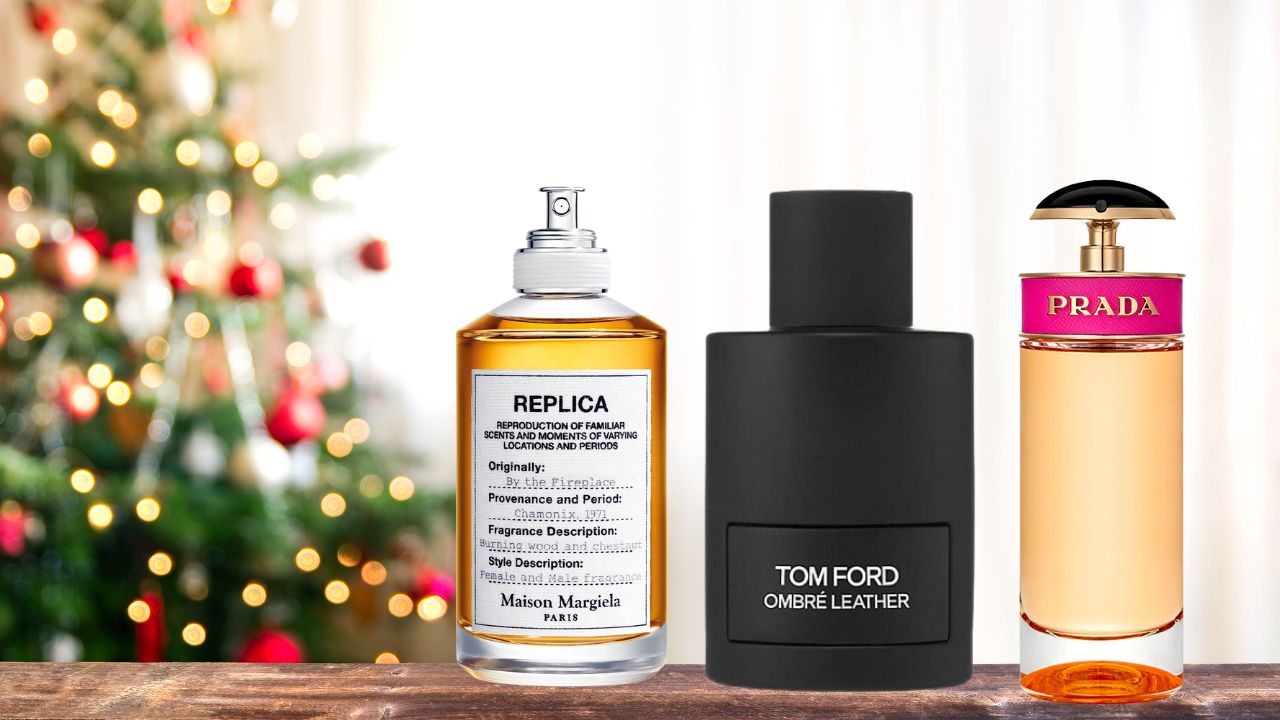
Perfumes That Smell Like Christmas: Your Guide to Festive Fragrance Magic
There's something almost alchemical about the way certain fragrances can transport you instantly to a snow-dusted evening in December, ...
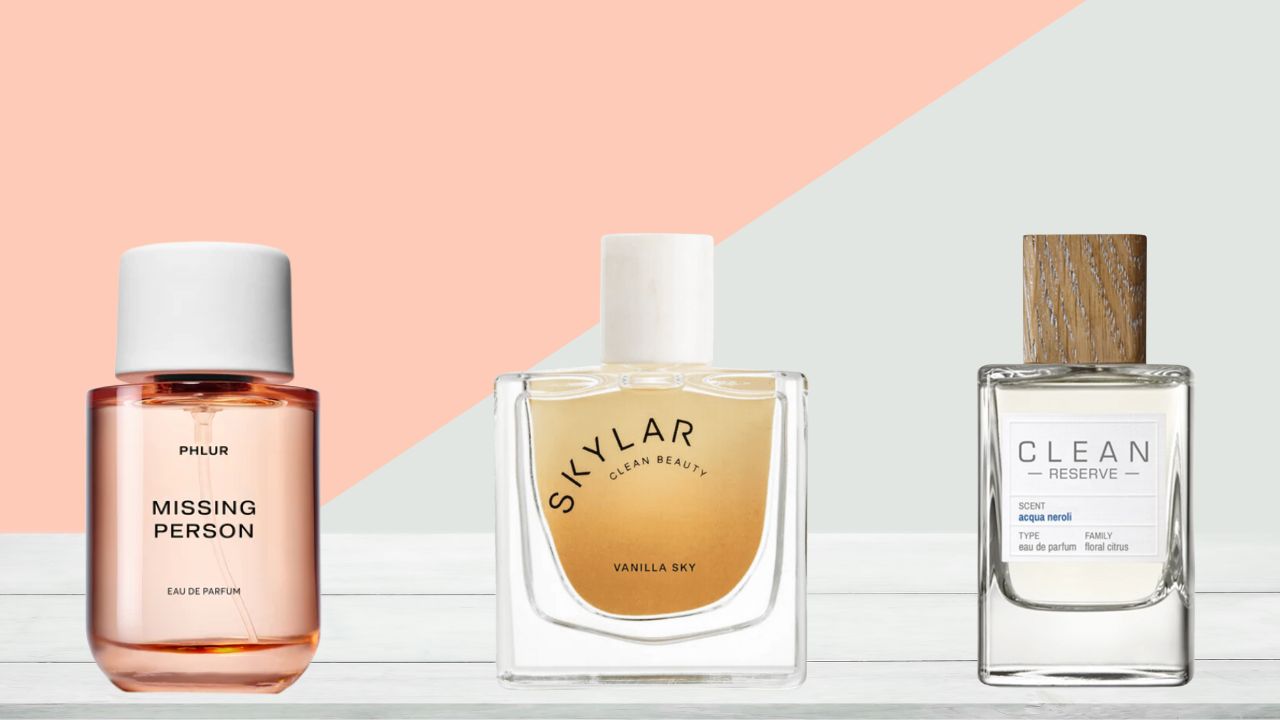
Perfume for Sensitive Skin That Won’t Cause Allergies: The Essential Guide to Scent Without Irritation
There's a particular kind of disappointment that comes with finding a fragrance you love, only to discover hours later that your skin h...
10 of the Classic Perfumes That Never Go Out of Style: The Timeless Fragrances That Define Elegance
In the hushed elegance of a Parisian boutique, where crystal flacons catch the afternoon light like precious jewels, something remarkab...
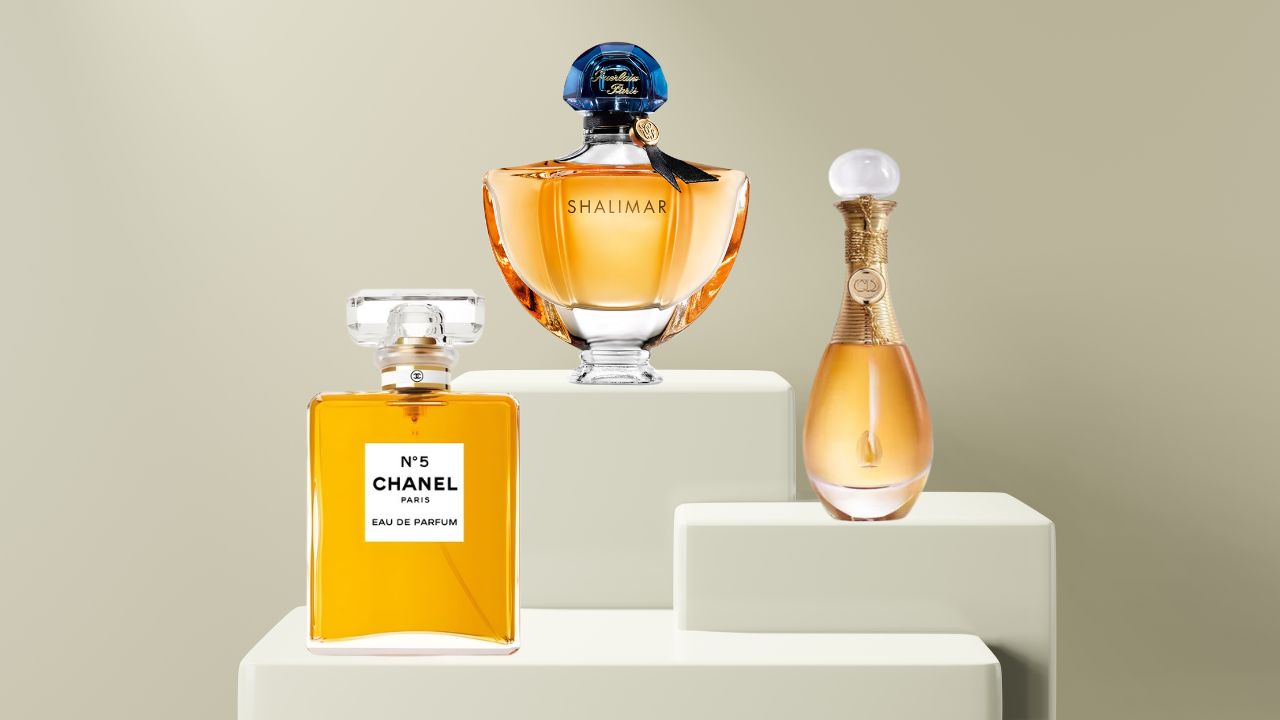
Perfumes with the Most Beautiful Bottles: Where Art Meets Olfactory Excellence
In a world where first impressions are everything, the bottle sitting on your vanity speaks volumes before you've even spritzed a singl...
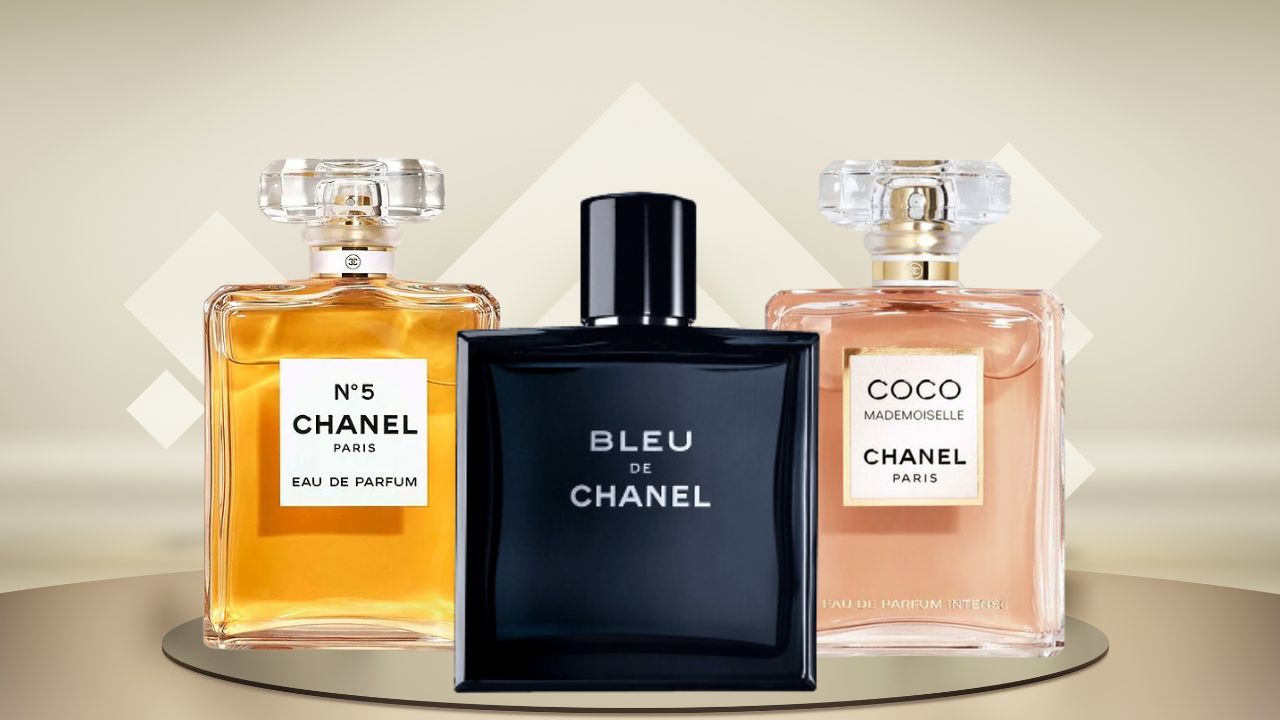
10 Best Chanel Perfumes: Timeless Elegance in Every Bottle
In the world of luxury fragrance, few names command the reverence and recognition that Chanel does. Picture this: it's 1921, and Gabrie...
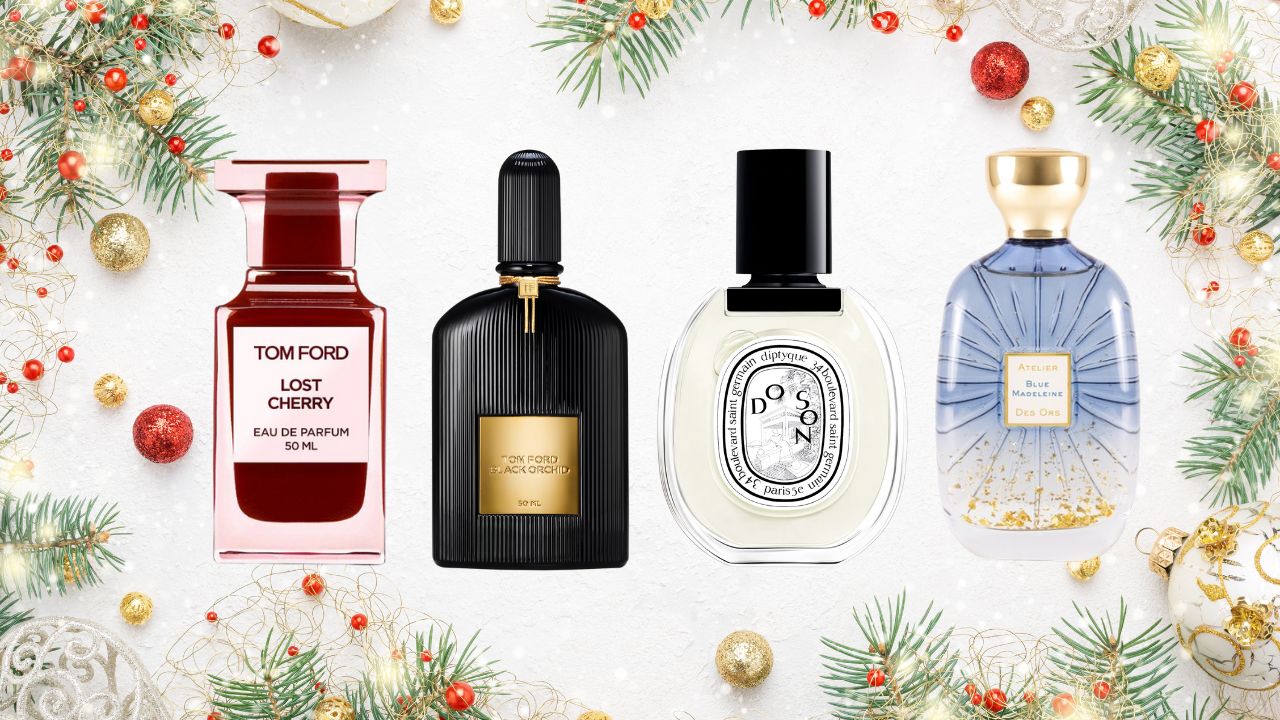
The 10 Best Women’s Perfumes for Xmas Gifts: Luxury Fragrance Gift Guide 2025
Choosing the perfect women's perfume for Xmas gifts requires more than walking into a store and picking the prettiest bottle. The right...
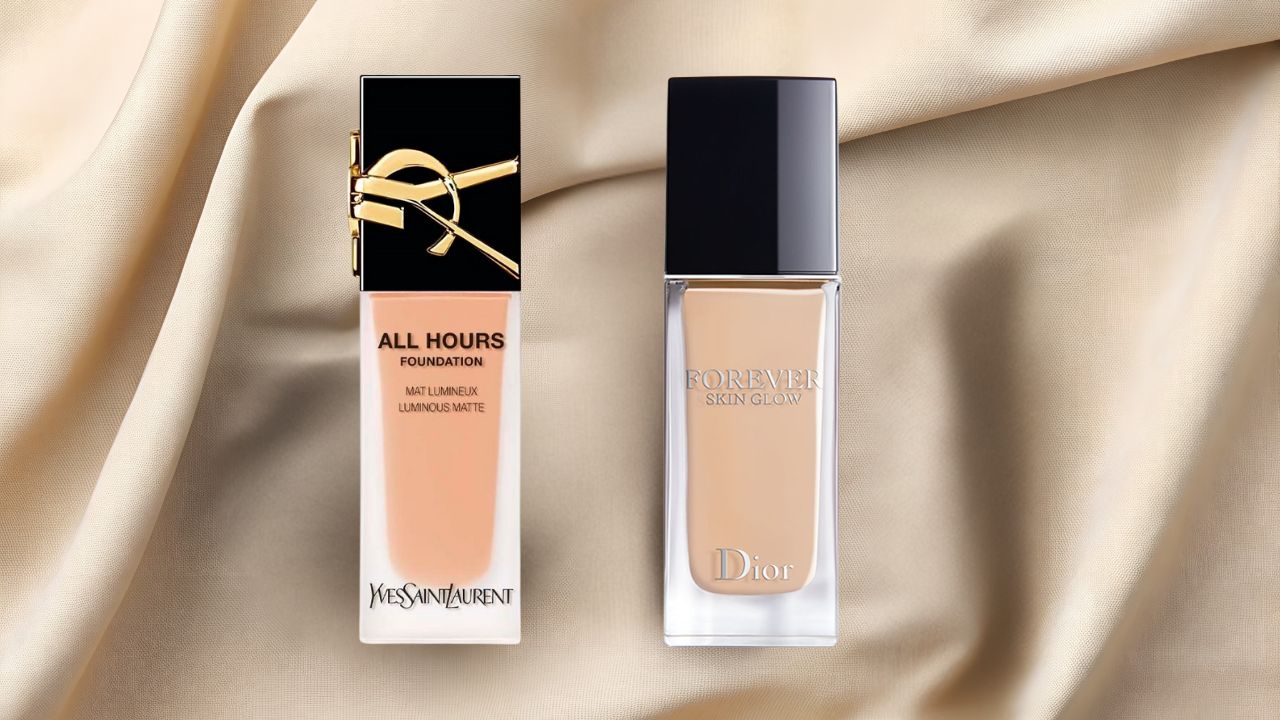
Dior Foundation vs YSL Foundation: The Ultimate 2025 Comparison Guide
Standing in front of the luxury foundation counter, you're faced with a decision that's both exciting and overwhelming. Two beautiful b...
Why Certain Smells Bring Back Memories: The Proust Effect Explained (2025)
The scent of fresh-cut grass transported me instantly to summer afternoons at my grandfather's farm. I was standing in a city park, yet...
Comments