

Blog
Home / Origins & History of Perfume / Ancient Egypt: Origin of Perfumes
Categories
Recent Posts
- Affordable Christmas Perfume Gifts That Actually Feel Luxurious
- The Definitive Guide to Perfumes That Smell Like Creed Aventus: Luxury Scents Without the Luxury Price Tag
- Perfume Advent Calendars: 12 Days of Niche Scents
- Christmas Makeup Ideas: Your Guide to Festive Glamour That Actually Works
- Perfumes That Smell Like Christmas: Your Guide to Festive Fragrance Magic
Perfume, a cherished luxury product and a source of sensual pleasure has been around for millennia. As strange as it is to believe, perfumes have existed for 5,000 years at the very least. The discovery of perfume usage can be traced back to the hieroglyphics in Egyptian tombs which depicted Ancient Egyptians and Mesopotamians creating perfume from 3,000 BC onwards. Sumerians, a civilization in Mesopotamia, began trading perfumes which which served to popularize fragrance further in Egypt. It is no surprise that Egyptians turned out to be the bigger consumers of perfume. In fact, it would be fair to say that they are the ones responsible for paving the way towards modern perfume.
How did the ancient Egyptians make perfume?
As per available historical records, Egyptian priests began using aromatic resins to make the fragrance of sacrificial offerings sweeter and more appealing. They believed that burning incense made the deities happy. Egyptians soon found fragrance percolating into every other aspect of their lives. Their handmade perfumes required different plants, flowers, and wood fragments, coupled with fats or oils. Linseed, moringa sesame, and castor oils were common ingredients in their perfumes. To perfect their craft further, some used almond extracts and olive oil in their perfumes to heighten the quality and pungency of their creations. Resins like turpentine and benzoin are featured in scents. Ancient Egyptians used a technique called enfleurage to make their perfumes. Its knowledge was passed on orally to keep the method as exclusive as possible.
How did the ancient Egyptians use perfume for divine reasons?
In the beginning, perfumes were primarily associated with a ‘mystical’ function. They were commonly found in temples where they served as a gift to the divinities. Scented mixtures were lit to maintain a fragrant atmosphere at all times. The statues of the divinities were also rubbed with scented pomade to pay respect. Funerary rites in ancient Egypt involved the bodies being embalmed so they could enjoy eternal life. Furthermore, Egyptian Pharaohs were often entombed with fragrances. When archaeologists opened these tombs in the late 1800s, they could smell the original, sweet aroma. Many other important figures in Egyptian history were also buried with scented oils to ensure that their olfactory needs were always satisfied.
What other purpose did perfumes serve?
Ancient Egyptians also used perfume for its therapeutic abilities. Megalion and Theriaque were commonly used for aromatherapy. However, the overwhelming reason behind perfume usage was their vested interest in appearance and cleanliness. Often considered a symbol of moral purity, perfumes were a must for those in higher social standing.The perfume was also known for its ability to seduce both men and women. In fact, Cleopatra was known to relax in scented baths before perfuming herself with bitter almond oil, cinnamon, and myrrh.
What do we know about the legendary Kyphi?
Kyphi, the first eau de toilette, blended 16 primary ingredients, including myrrh, resin, wine, honey, sweet rush, raisins, and juniper. Kyphi appeased the Gods every night. Other popular perfumes included Mendesian, made with myrrh and cassia, Susinum, a concoction of lily, myrrh, and cinnamon and Rhondinium, the love perfume made with roses.
Do we still use ancient Egyptian’ perfume ingredients?
Surprisingly, yes. Jasmine, frankincense resin, Nile lotus, myrrh, and lilies were commonly used in perfumes by the Egyptians. Modern perfumery continues to use these ingredients. Has history has repeatedly shown, even the strongest empires can fall. Egypt started its decline after 1100 BC, and it was the Romans continued to contribute to the history of fragrances. Read our article on Roman History of Perfumes.
Related posts
Affordable Christmas Perfume Gifts That Actually Feel Luxurious
There's something inherently intimate about gifting fragrance—it's a gesture that says you've paid attention, that you understand someo...
The Definitive Guide to Perfumes That Smell Like Creed Aventus: Luxury Scents Without the Luxury Price Tag
There's a certain magnetism to walking into a room wearing the right fragrance. It's not loud, it's not desperate—it's simply there, co...
Perfume Advent Calendars: 12 Days of Niche Scents
There's something quietly revolutionary happening in the world of fragrance, and it arrives in December wrapped in numbered boxes. Forg...

Christmas Makeup Ideas: Your Guide to Festive Glamour That Actually Works
Picture this: You're getting ready for the season's most anticipated gathering, and you're faced with the same tired holiday makeup dil...
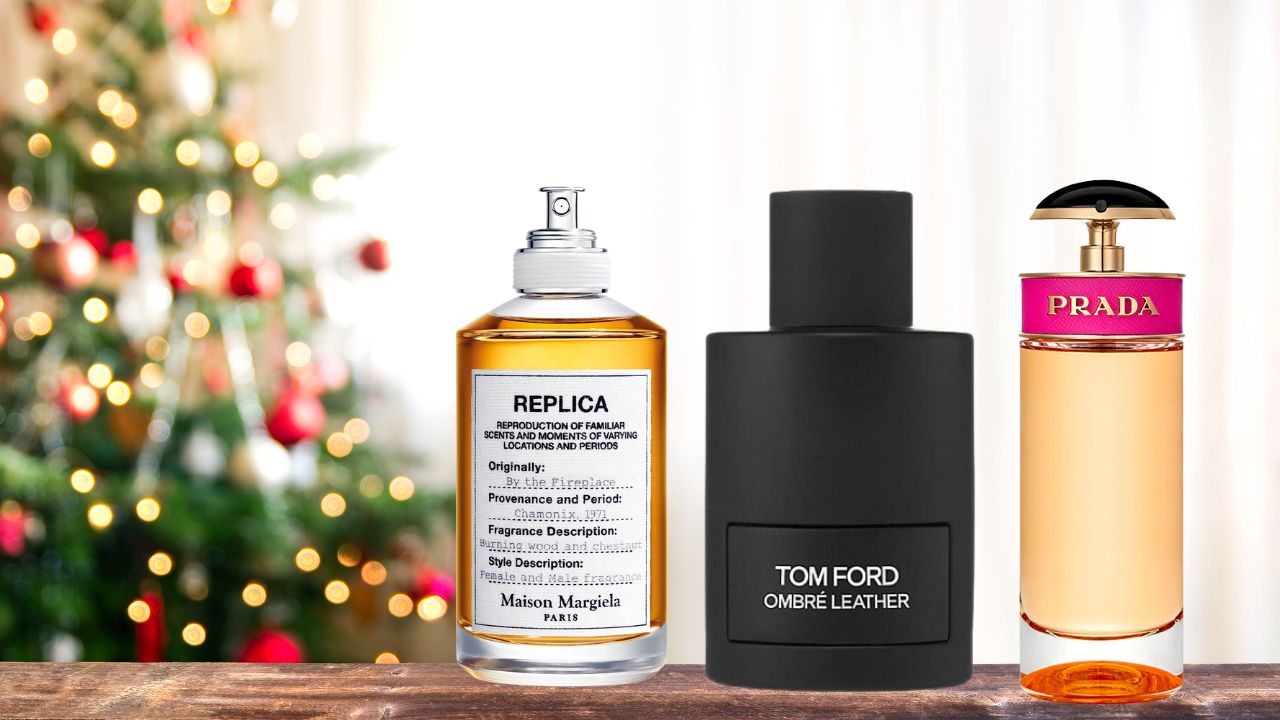
Perfumes That Smell Like Christmas: Your Guide to Festive Fragrance Magic
There's something almost alchemical about the way certain fragrances can transport you instantly to a snow-dusted evening in December, ...
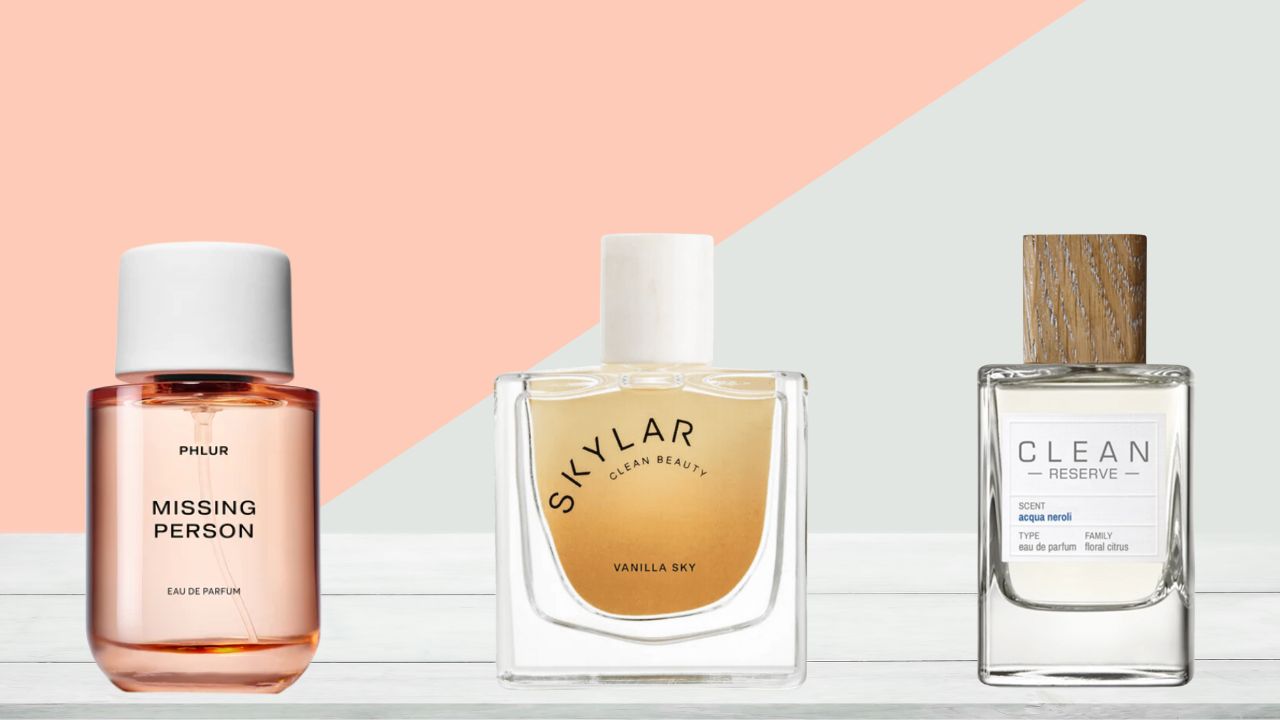
Perfume for Sensitive Skin That Won’t Cause Allergies: The Essential Guide to Scent Without Irritation
There's a particular kind of disappointment that comes with finding a fragrance you love, only to discover hours later that your skin h...
10 of the Classic Perfumes That Never Go Out of Style: The Timeless Fragrances That Define Elegance
In the hushed elegance of a Parisian boutique, where crystal flacons catch the afternoon light like precious jewels, something remarkab...
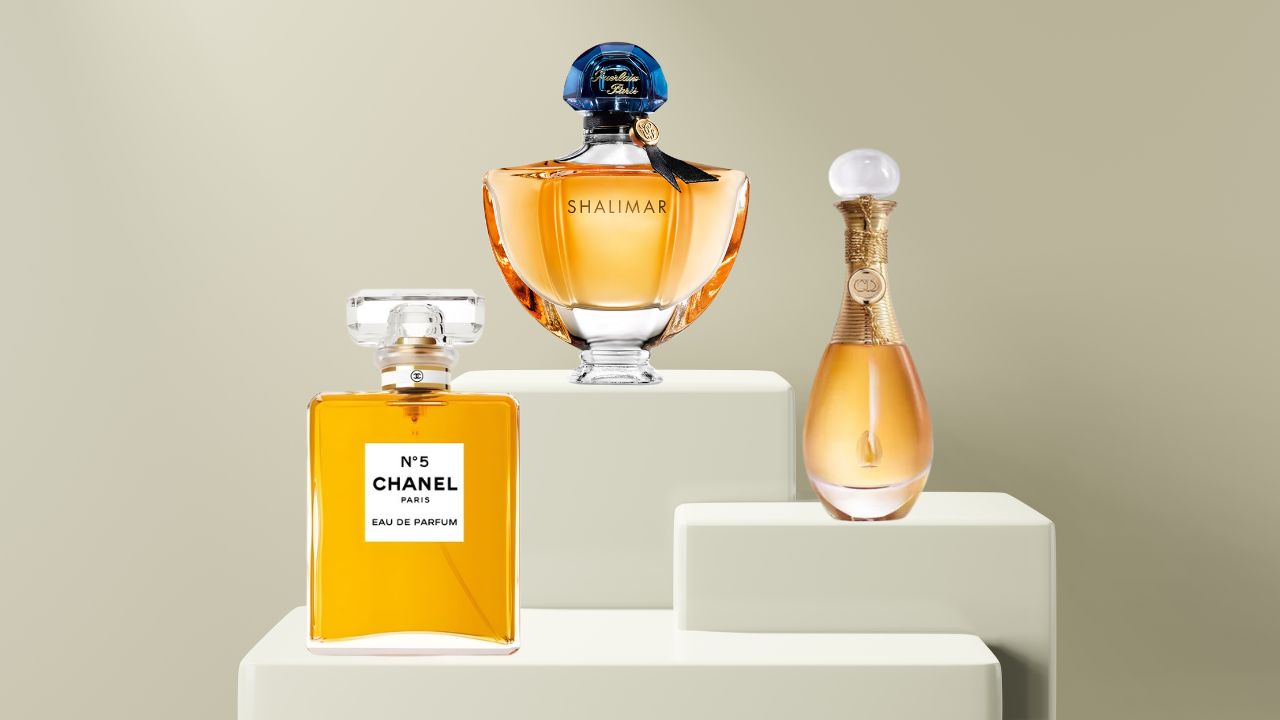
Perfumes with the Most Beautiful Bottles: Where Art Meets Olfactory Excellence
In a world where first impressions are everything, the bottle sitting on your vanity speaks volumes before you've even spritzed a singl...
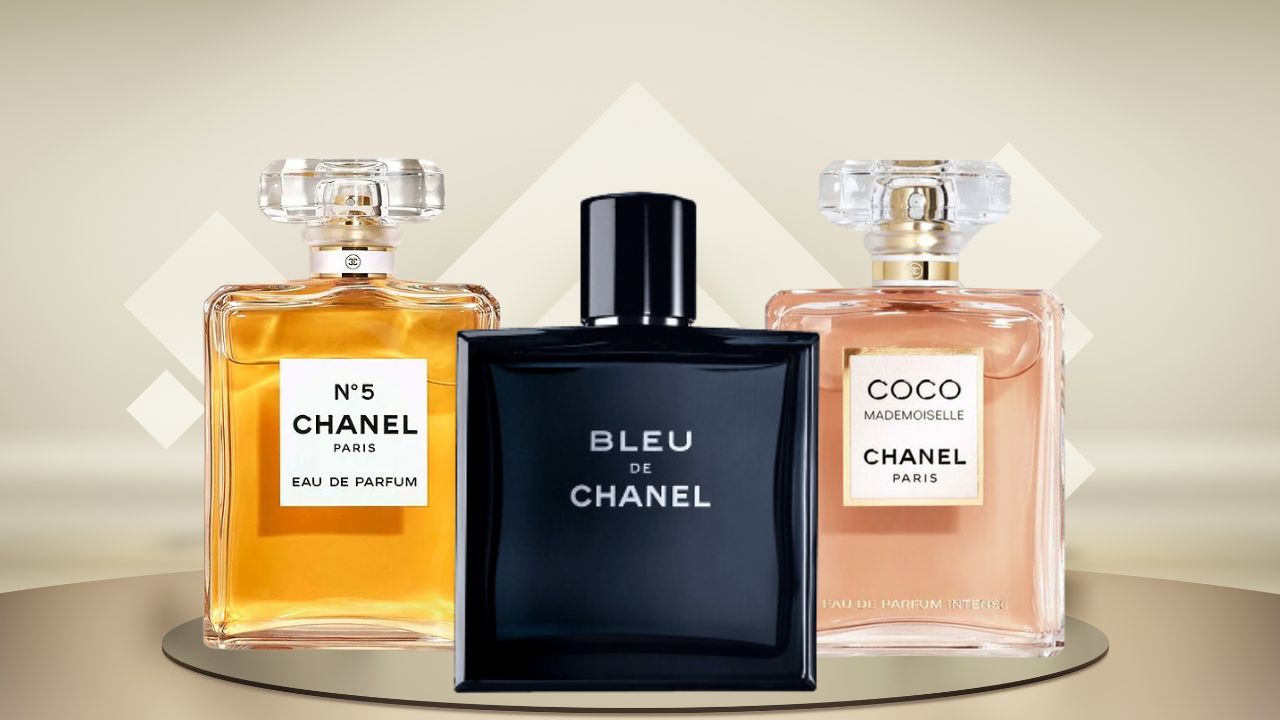
10 Best Chanel Perfumes: Timeless Elegance in Every Bottle
In the world of luxury fragrance, few names command the reverence and recognition that Chanel does. Picture this: it's 1921, and Gabrie...
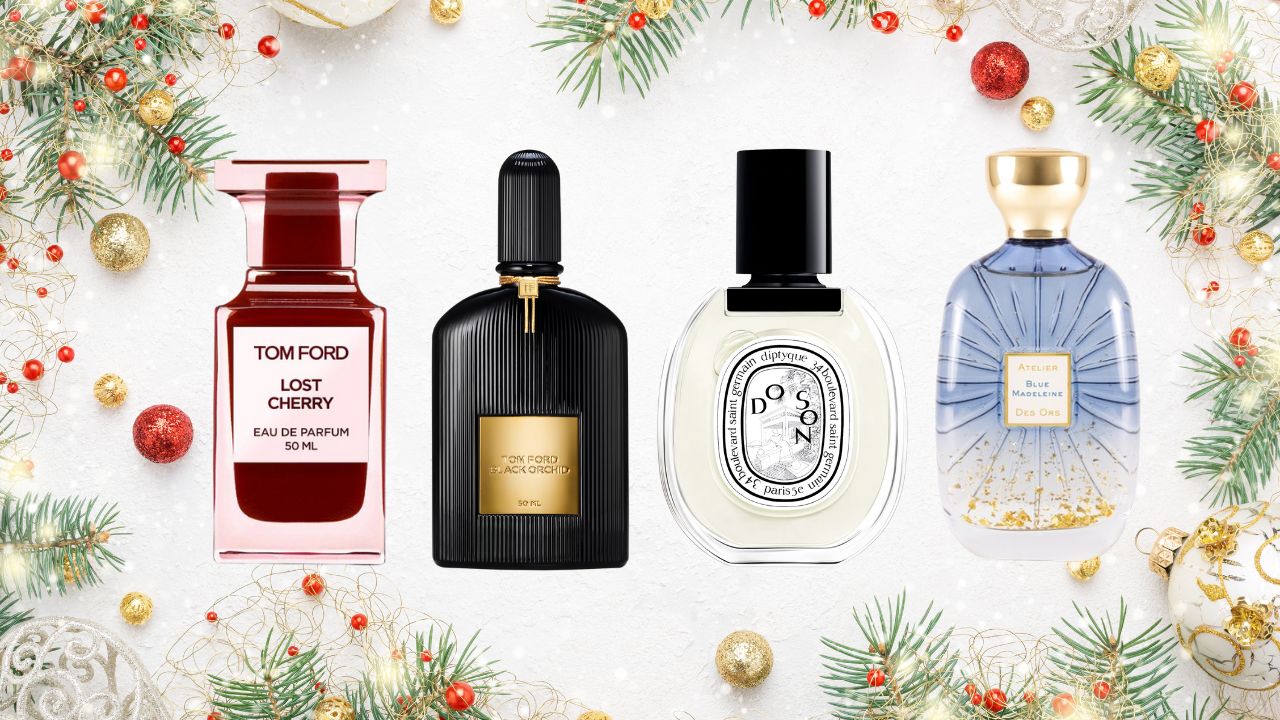
The 10 Best Women’s Perfumes for Xmas Gifts: Luxury Fragrance Gift Guide 2025
Choosing the perfect women's perfume for Xmas gifts requires more than walking into a store and picking the prettiest bottle. The right...
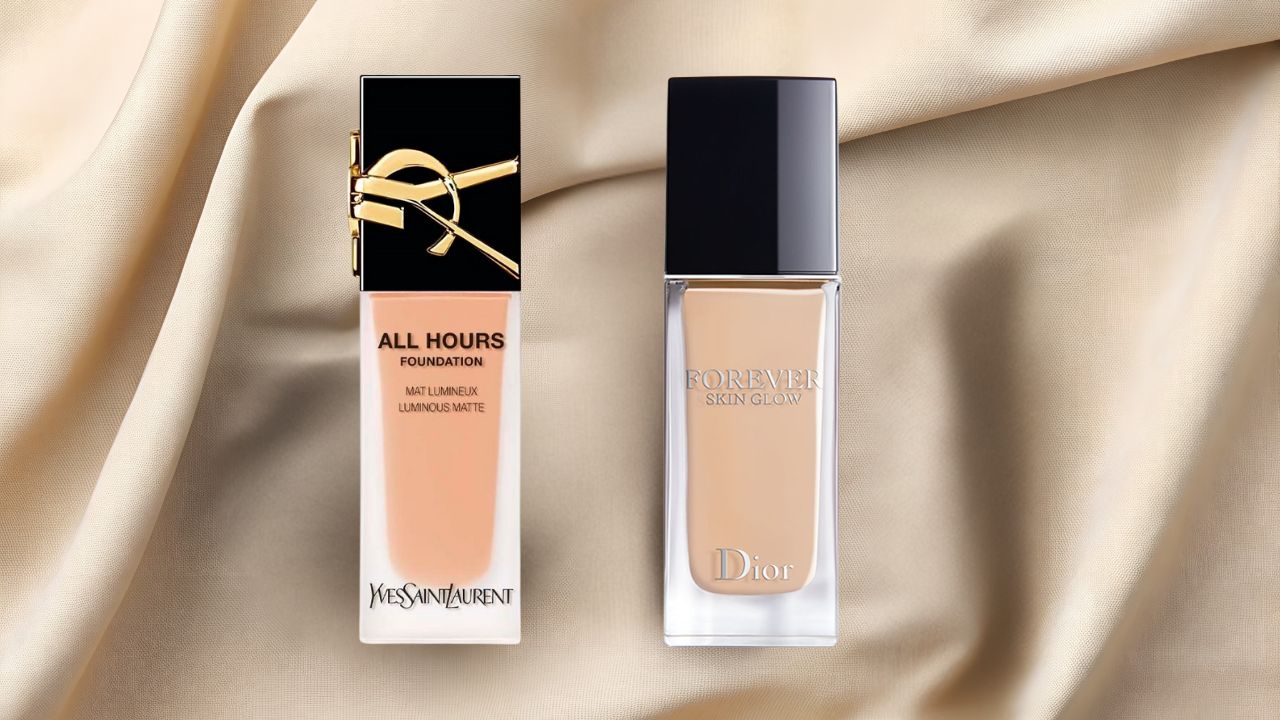
Dior Foundation vs YSL Foundation: The Ultimate 2025 Comparison Guide
Standing in front of the luxury foundation counter, you're faced with a decision that's both exciting and overwhelming. Two beautiful b...
Why Certain Smells Bring Back Memories: The Proust Effect Explained (2025)
The scent of fresh-cut grass transported me instantly to summer afternoons at my grandfather's farm. I was standing in a city park, yet...
Comments